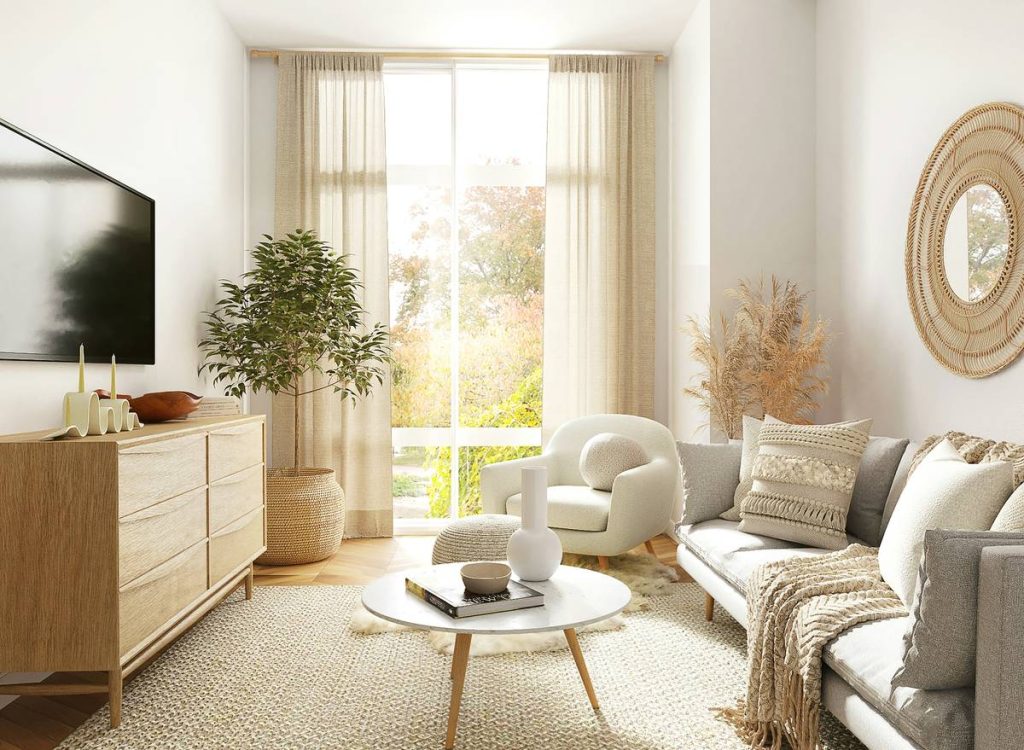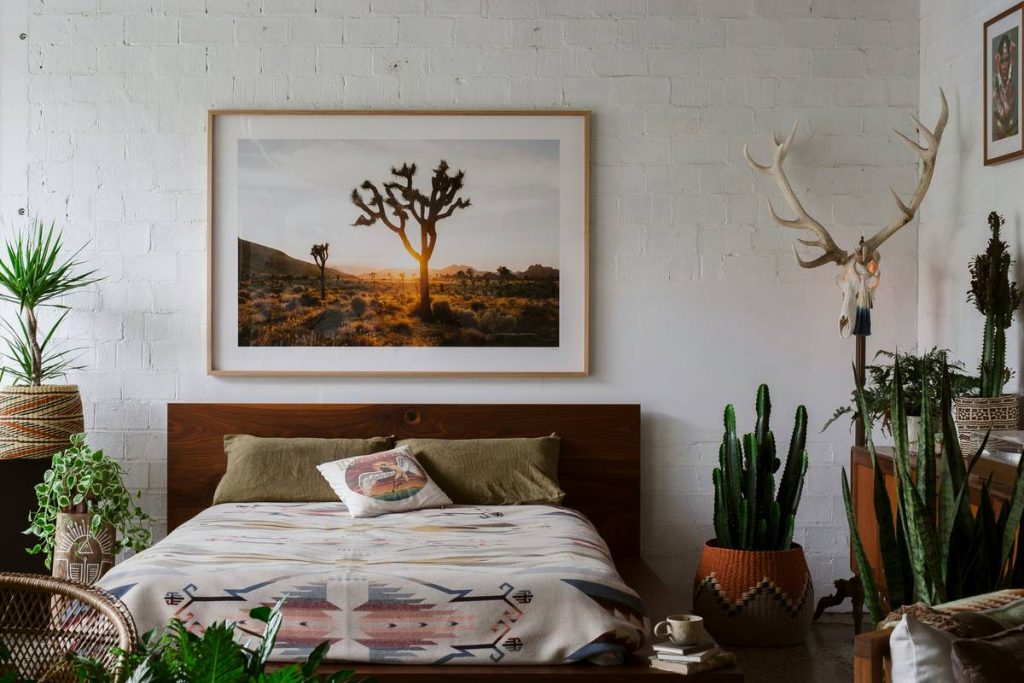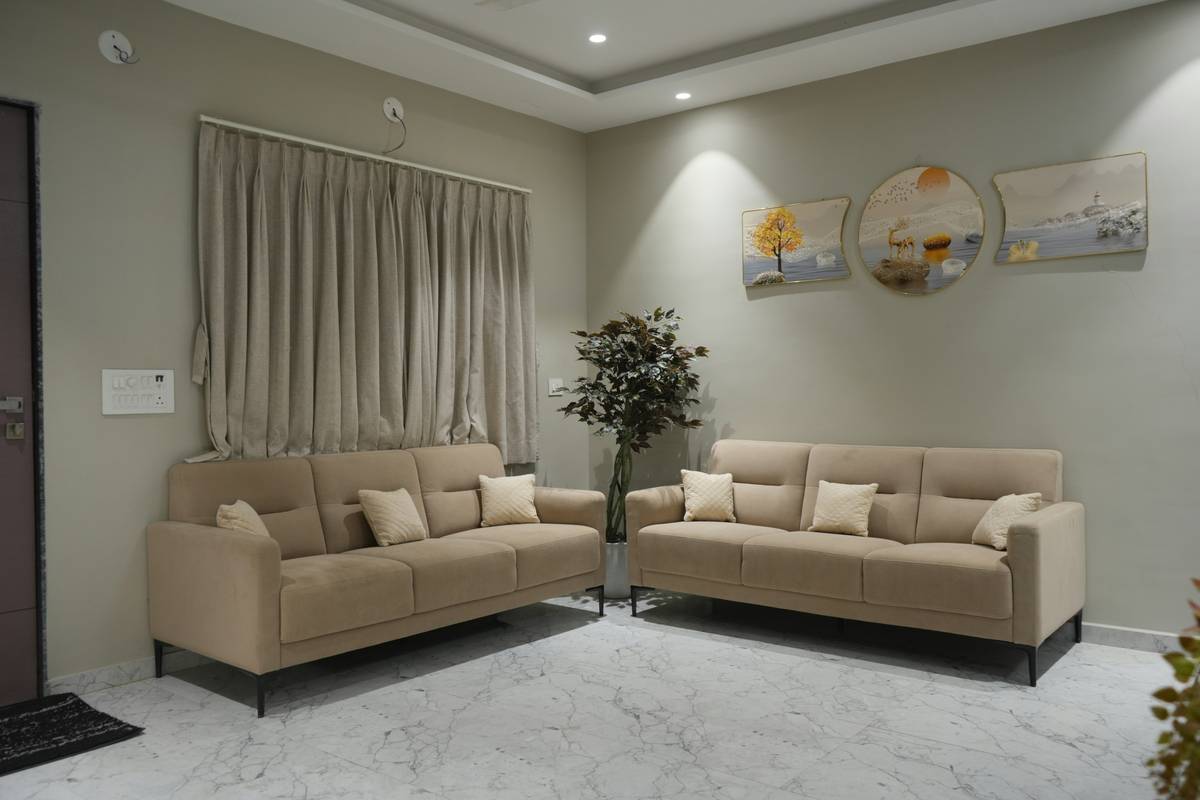
Ever walked into a room that felt calm, uncluttered, and effortlessly stylish—and wondered how they pulled it off? You’re not alone. Many homeowners dive into minimalist design only to end up with spaces that feel sterile or incomplete. The truth is, how to design a minimalist home isn’t just about removing furniture—it’s about intentional choices that balance form, function, and feeling. In this guide, we’ll walk you through actionable steps, real-world examples, and hard-won lessons (yes, I’ve made the “bare walls = minimalist” mistake too) so you can create a space that’s truly yours—simple, serene, and sustainable.
Table of Contents
- Why Minimalism Matters in Home Improvement
- Step-by-Step Guide to Minimalist Design
- Best Practices for Minimalist Furniture
- Real-World Minimalist Home Examples
- Frequently Asked Questions
Key Takeaways
- Minimalism prioritizes quality over quantity—fewer pieces, better craftsmanship.
- Neutral palettes with one or two accent tones create visual harmony.
- Functionality is non-negotiable; every item must earn its place.
- Avoid the “empty room” trap—texture and lighting add warmth without clutter.
- Start small: redesign one room before committing to a full-home overhaul.
Why Minimalism Matters in Home Improvement
In today’s fast-paced world, our homes should be sanctuaries—not storage units. According to the American Psychological Association, clutter increases cortisol levels, directly impacting stress and focus. That’s why understanding how to design a minimalist home is more than a trend; it’s a wellness strategy wrapped in clean lines and quiet corners.
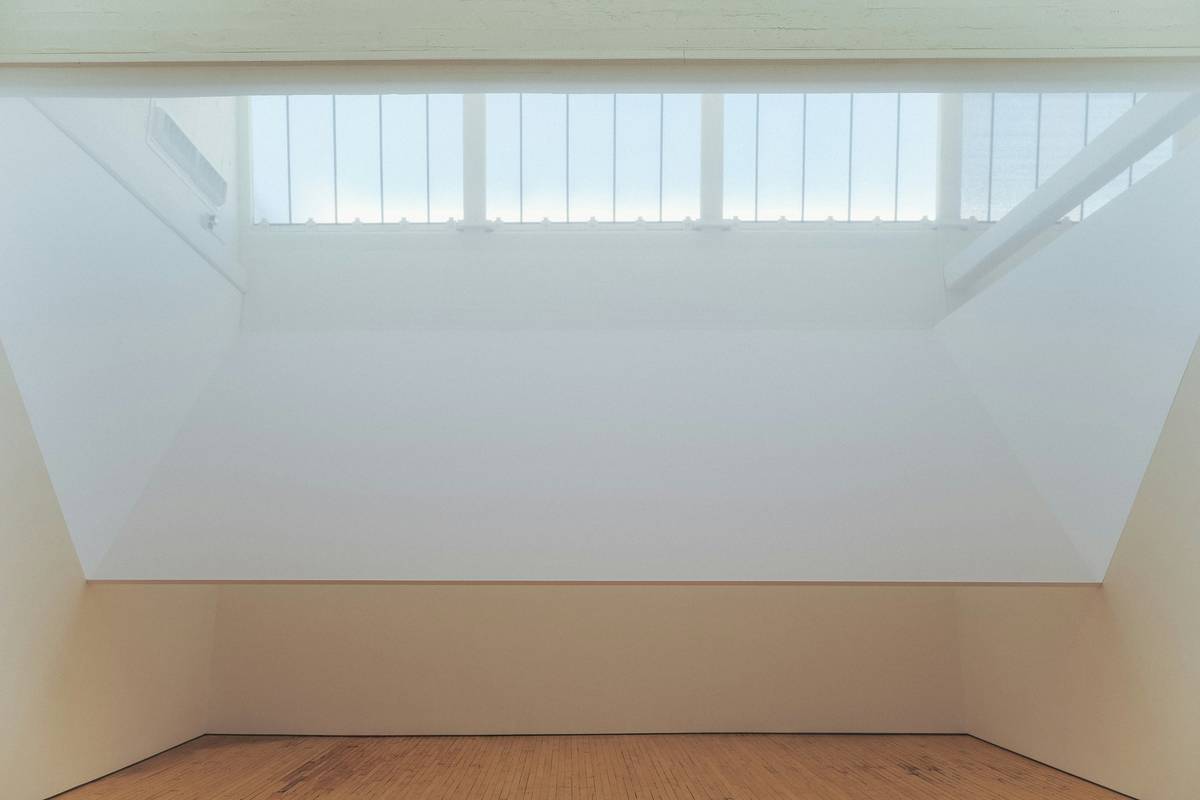
I learned this the hard way. Early in my design journey, I stripped my living room down to a sofa, a rug, and… silence. It looked like a showroom no one lived in. Friends politely called it “zen.” I called it lonely. The fix? Layering texture—think linen throws from our team at Simple Blankets—and purposeful objects that spark joy, not just emptiness.
Step-by-Step Guide to Minimalist Design
1. Audit Your Space Ruthlessly
Remove everything. Yes, everything. Then ask: “Does this serve a function or bring me genuine joy?” If not, donate or discard. Keep only what aligns with your daily life.
2. Choose a Restrained Color Palette
Stick to 2–3 core neutral tones (e.g., warm white, soft gray, natural wood). Add depth with tonal variations, not new colors. The goal is cohesion, not contrast.
3. Invest in Multi-Functional Furniture
A platform bed with storage drawers. A coffee table that doubles as a dining surface. Every piece should pull its weight. For inspiration, explore ergonomic guidelines from the U.S. Occupational Safety and Health Administration on functional living spaces.
4. Prioritize Negative Space
Leave breathing room around furniture. Crowding kills minimalism. Aim for at least 24 inches of clearance between major items for flow and openness.
Best Practices for Minimalist Furniture
- Material matters: Opt for natural finishes—oak, walnut, linen, stone. They age gracefully and add organic warmth.
- Avoid “terrible tip” territory: Don’t buy cheap, trendy pieces “just to fill space.” That faux-concrete side table might look cool online but will cheapen your whole aesthetic.
- Lighting is furniture too: Use recessed ceiling lights + one sculptural floor lamp. Skip overhead fixtures that dominate the visual field.
- Texture > decoration: A chunky knit throw or a woven jute rug adds soul without visual noise.
And please—stop pretending industrial pipe shelves are “minimalist.” They’re not. They’re utilitarian clutter masquerading as design. Real minimalism whispers; it doesn’t clang.
Real-World Minimalist Home Examples
A 2023 study by the National Association of Home Builders found that 68% of buyers aged 25–40 prioritize “clean, uncluttered interiors” when touring homes—a 22% increase since 2019. One standout case: a Brooklyn apartment redesigned using only six furniture pieces per room. Result? 40% faster cleaning time and residents reporting improved sleep quality.
Another example: our own co-founder transformed her Denver loft by focusing on vertical space—wall-mounted desks, floating nightstands—and using monochromatic bedding from Simple Blankets. The outcome? A space that feels expansive despite its 650-square-foot footprint.
Frequently Asked Questions
What’s the difference between minimalist and modern furniture?
Modern design emphasizes innovation and technology (think molded plastics, bold geometry), while minimalism focuses on reduction and tranquility. You can have modern-minimalist hybrids, but pure minimalism avoids flashy forms.
Can I have color in a minimalist home?
Yes—but sparingly. Choose one muted accent (e.g., sage green, terracotta) and use it in ≤10% of your decor. The rest stays neutral.
How do I keep a minimalist home from feeling cold?
Layer natural textures: wool, wood grain, raw cotton. Warm lighting (2700K–3000K bulbs) also adds instant coziness.
Is minimalist furniture expensive?
Not necessarily. Brands like IKEA offer affordable modular pieces that fit minimalist principles. Focus on durability over brand names. Remember, replacing cheap furniture every two years costs more long-term.
Where can I learn more about sustainable minimalist choices?
Check the U.S. Environmental Protection Agency’s guide on sustainable materials management for eco-conscious home decisions.
Who should I contact for personalized minimalist design help?
We’d love to assist! Reach out through our Contact Us page. And don’t worry—we never share your details; see our Privacy Policy for full transparency.
Remember: minimalism isn’t about having less. It’s about making room for what matters. So clear the noise, keep the soul, and let your home breathe.