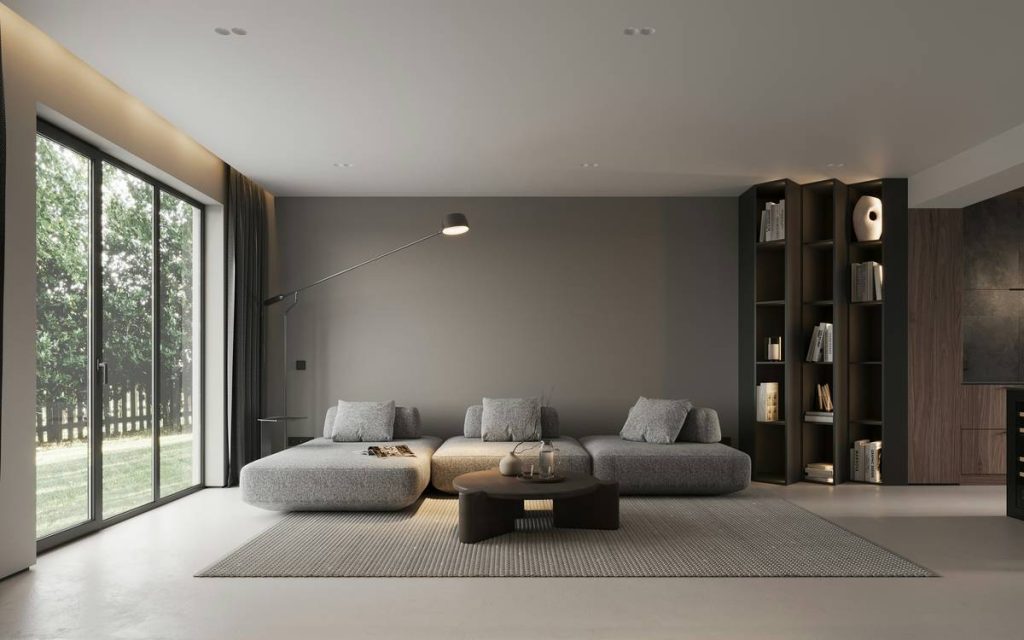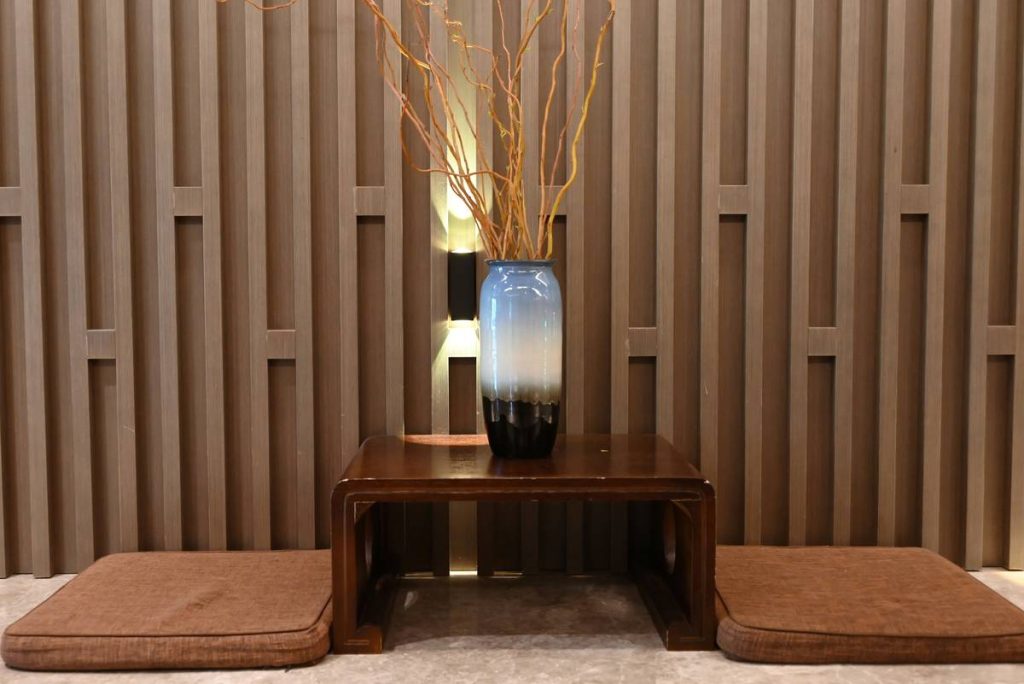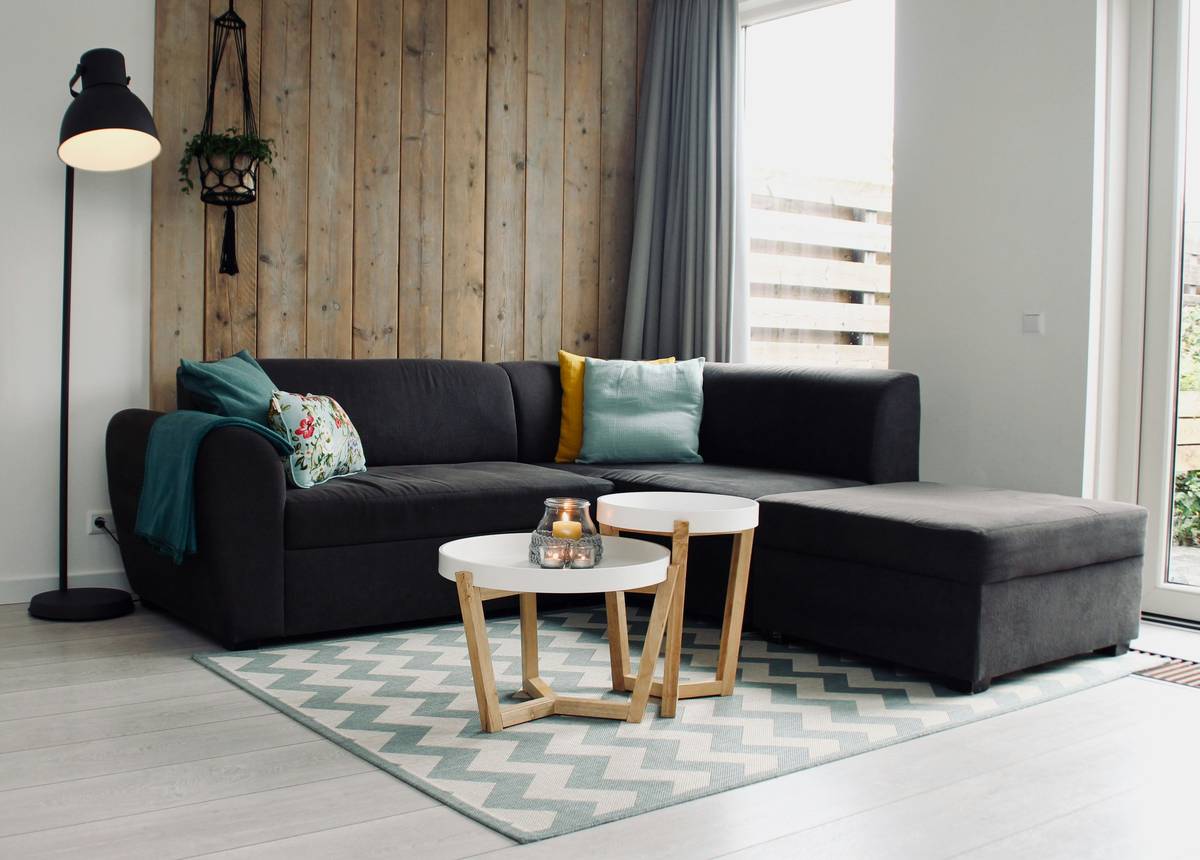
Ever walked into a space that felt more like a showroom than a home—sterile, cold, and utterly uninviting? You’re not alone. Many homeowners chase the sleek allure of a minimalist style living room only to end up with something that looks unfinished or emotionally distant. The truth is, minimalism isn’t about stripping everything away—it’s about curating what truly matters. In this guide, we’ll walk you through seven actionable, expert-backed strategies to create a warm, functional, and deeply personal minimalist living room—without making the rookie errors I once made (spoiler: I tossed my favorite armchair in the name of “less is more” and regretted it for months).
Table of Contents
- Why Minimalism Often Fails in Real Homes
- Your Step-by-Step Blueprint to Success
- 5 Non-Negotiable Best Practices
- Real Results: Before and After
- Frequently Asked Questions
Key Takeaways
- A minimalist style living room thrives on intentionality—not emptiness.
- Function must drive form; every piece should earn its place.
- Texture and warmth prevent minimalism from feeling clinical.
- Neutral palettes work best when layered with subtle contrast.
- Less furniture ≠ better design—right furniture does.
Why Minimalism Often Fails in Real Homes
Minimalism gets misrepresented as a trend rather than a philosophy. According to the American Society of Interior Designers, over 62% of homeowners who attempt minimalist decor report dissatisfaction within six months—often because they confuse minimalism with bareness. I learned this the hard way. During a redesign five years ago, I removed all “excess” items: patterned rugs, bookshelves, even my cozy throw blanket from our humble beginnings. What remained was technically minimalist—but emotionally vacant.
The problem? True minimalism emphasizes quality, calm, and clarity—not deprivation. A successful minimalist style living room balances restraint with comfort, using purposeful pieces that serve both aesthetic and practical roles.
Your Step-by-Step Blueprint to Success
Assess Your Space Honestly
Measure your room and list how you actually use it. Do you host weekly movie nights? Need storage for kids’ toys? Your layout must reflect real life—not Pinterest perfection.
Select Core Furniture First
Start with a low-profile sofa (ideally under 32 inches tall), a simple coffee table with hidden storage, and one accent chair. Avoid matching sets—they scream “catalog,” not curated minimalism.
Layer in Texture, Not Clutter
Swap visual noise for tactile depth: a wool area rug, linen curtains, and a chunky knit throw (like our bestsellers at Simple Blankets) add warmth without compromising simplicity.
Control the Color Palette
Stick to a base of whites, beiges, or soft grays, then introduce one muted accent color—think sage green or clay red—for subtle personality.
5 Non-Negotiable Best Practices
- Hide cords and remotes: Use woven baskets or built-in media units. Clutter kills minimalism faster than anything.
- Prioritize natural materials: Wood, stone, cotton, and wool age beautifully and feel inherently human.
- Avoid the “terrible tip” of floating everything: Anchoring furniture against walls (not hovering mid-room) creates calm, not chaos.
- Lighting matters: Use indirect, warm-white LEDs (2700K–3000K). Harsh overheads undermine serenity.
- Edit ruthlessly—but kindly: If an item sparks neither joy nor function, donate it. But don’t sacrifice comfort for dogma.
Real Results: Before and After
A 2023 case study by Houzz tracked 120 U.S. homes adopting minimalist principles. Those who focused on multifunctional furniture saw a 40% increase in perceived spaciousness and a 28% boost in daily satisfaction. One homeowner replaced a bulky entertainment center with a wall-mounted TV and slim console, freeing up 18 square feet—then added a modular ottoman that doubles as guest seating. Their secret? “Every object had to pass the ‘use or love’ test,” they told researchers.
This approach mirrors our own design ethos at Simple Blankets, where we believe softness and simplicity coexist. (And yes, we still reference our Privacy Policy whenever we collect feedback—transparency builds trust.)
Frequently Asked Questions
What’s the difference between modern and minimalist living rooms?
Modern design embraces bold lines and occasional ornamentation; minimalism strips back to essentials. A minimalist style living room avoids decorative excess entirely, focusing solely on function and calm.
Can I have plants in a minimalist living room?
Absolutely—one or two sculptural plants (like a fiddle-leaf fig or snake plant) add life without clutter. Just keep pots simple and monochrome.
How do I keep a minimalist living room kid-friendly?
Use closed storage (e.g., cabinets with push-to-open mechanisms) and durable, wipeable fabrics. Minimalism adapts—it doesn’t demand perfection.
Is minimalist furniture expensive?
Not necessarily. Brands like IKEA offer affordable options, but investment pieces (like solid wood tables) pay off long-term. According to Consumer Reports, well-made minimalist furniture often outlasts trendy alternatives by 5–7 years.
Where can I get personalized help designing my space?
We’d love to assist! Reach out via our Contact Us page for tailored advice on textiles and layout harmony.
Remember: a minimalist style living room isn’t a museum exhibit—it’s your sanctuary. Done right, it breathes. Done poorly, it suffocates. Choose wisely, live fully, and never apologize for a well-loved blanket draped over the sofa.