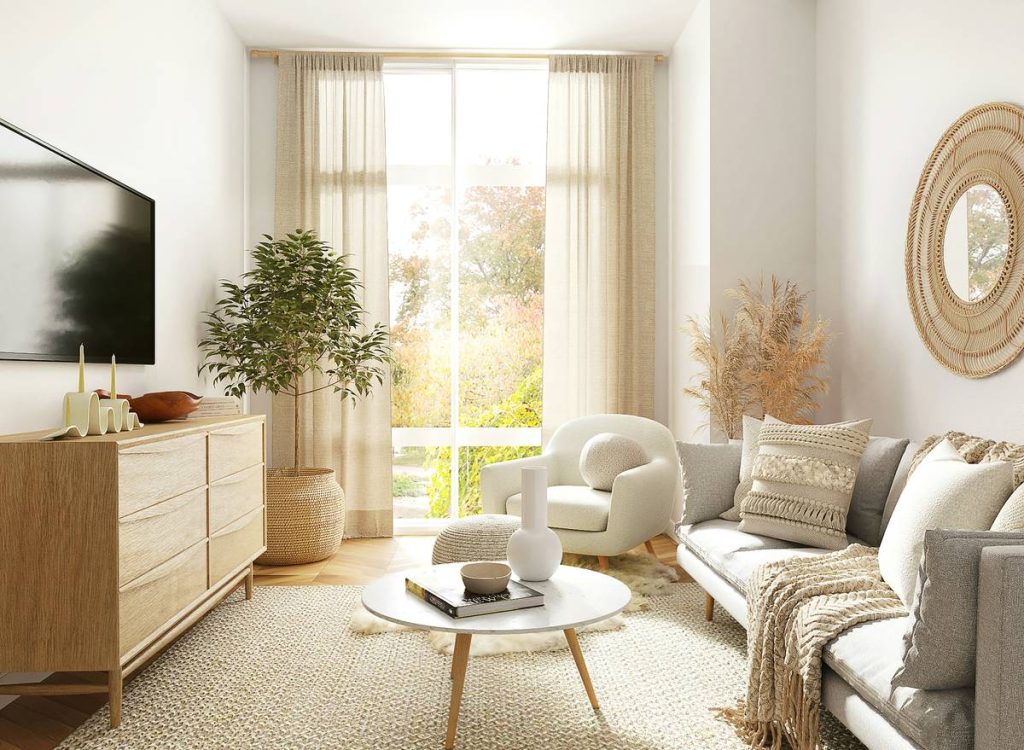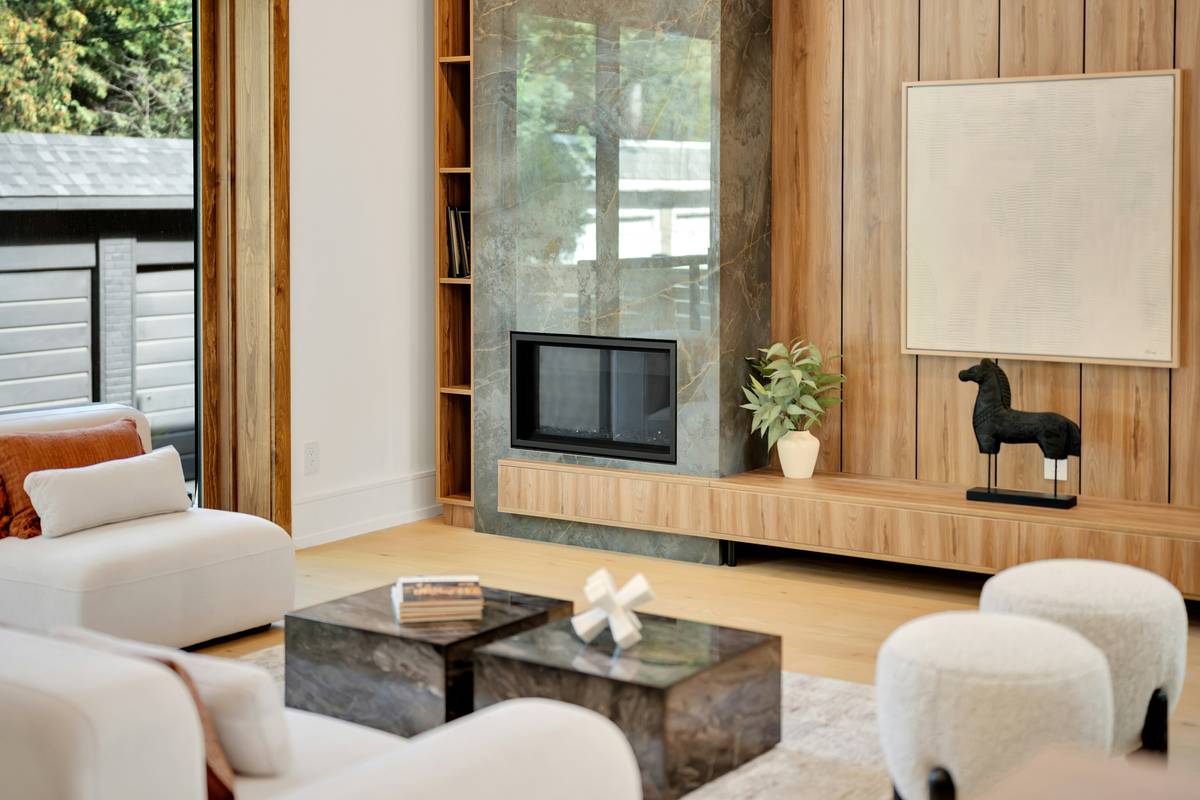
If you’ve ever walked into a room that felt calm, uncluttered, and effortlessly stylish—only to realize it’s nearly empty—you’ve experienced the magic of modern minimalist style. But here’s the secret no one tells you: getting it right is harder than it looks. I learned this the hard way when I stripped my living room down to just a white sofa and a single plant… only to end up with a space that felt sterile, not serene. In this guide, we’ll unpack what is modern minimalist style, why it matters in today’s home improvement landscape, and how to execute it without turning your home into a showroom no one wants to live in.
Table of Contents
- Why Modern Minimalism Matters in Home Improvement
- How to Achieve Modern Minimalist Style: A Step-by-Step Guide
- 5 Best Practices for Authentic Minimalist Furniture
- Real-World Examples That Prove It Works
- Frequently Asked Questions
Key Takeaways
- Modern minimalist style prioritizes function, clean lines, and intentional emptiness—not just “less stuff.”
- Over-simplifying leads to cold, unwelcoming spaces; warmth comes from texture and proportion.
- Quality beats quantity: one well-crafted piece outperforms three cheap imitations.
- Neutral palettes dominate, but strategic pops of color or wood grain add soul.
- Understanding what is modern minimalist style prevents common design pitfalls.
Why Modern Minimalism Matters in Home Improvement
In an era of information overload and visual noise, homeowners are craving calm. That’s why minimalist furniture has surged in popularity—especially within the modern furniture category. According to the American Society of Interior Designers (ASID), over 68% of clients now request “clean, clutter-free” aesthetics in renovations. But minimalism isn’t just about aesthetics; it’s a lifestyle shift toward intentionality.
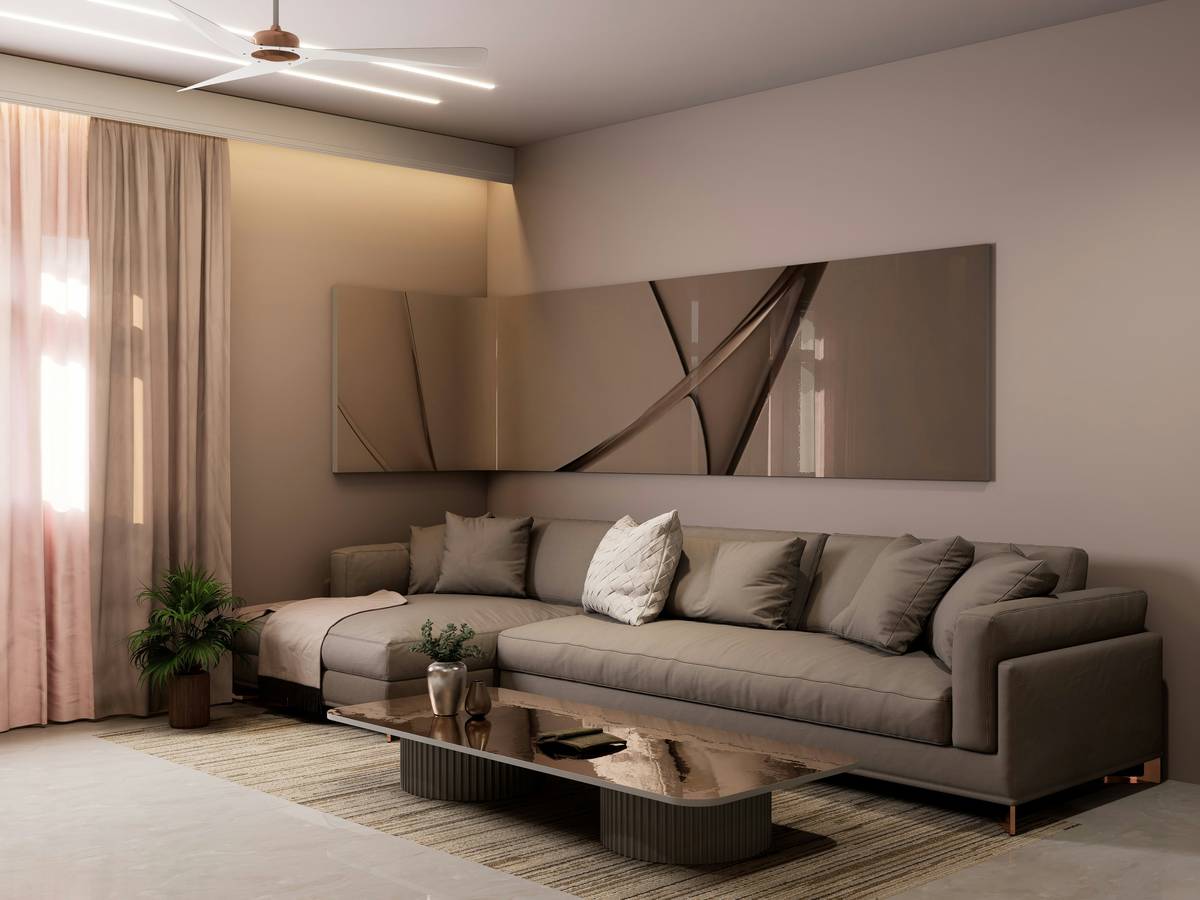
Yet many DIYers misinterpret minimalism as “bare minimum.” I made that mistake myself—removing every decorative item until my space felt like a dentist’s waiting room. The truth? True minimalism uses emptiness as a design element, not an absence of thought.
How to Achieve Modern Minimalist Style: A Step-by-Step Guide
1. Audit Your Space Ruthlessly
Remove everything that doesn’t serve a functional or emotional purpose. Keep only pieces that spark calm, not chaos.
2. Choose Furniture with Clean Lines
Select items with straight edges, low profiles, and hidden storage. Think platform beds, wall-mounted desks, and sofas without ornate legs.
3. Stick to a Limited Palette
Base your scheme on neutrals (white, gray, beige, black) with one organic accent—like oak or walnut—to add warmth without clutter.
4. Prioritize Quality Over Quantity
Instead of filling corners with filler furniture, invest in one statement piece—like a sculptural dining table—that defines the room.
5. Embrace Negative Space
Leave walls bare. Float furniture away from walls. Let light flow. Empty space isn’t wasted—it’s part of the design.
5 Best Practices for Authentic Minimalist Furniture
- Avoid “matchy-matchy” sets. Mix materials (e.g., metal + wood) to prevent monotony.
- Use hidden storage. Ottomans with compartments or beds with drawers keep surfaces clear.
- Opt for monolithic forms. Furniture should look like a single, unified object—not assembled parts.
- Let natural light lead. Sheer curtains or bare windows enhance the airy feel.
- Never sacrifice comfort. A beautiful but uncomfortable chair defeats the purpose. (More on our About Us page—we believe coziness and simplicity coexist!)
And please—avoid this terrible tip: “Just paint everything white.” Without texture, lighting, and scale, all-white rooms become clinical, not calming.
Real-World Examples That Prove It Works
A 2023 study published in the Journal of Environmental Psychology found that occupants of minimalist interiors reported 22% lower stress levels during daily tasks compared to those in cluttered environments. One standout case: a Brooklyn apartment redesigned with only six furniture pieces—a modular sofa, nesting tables, a floor lamp, a rug, a bench, and a bookshelf. The result? A 900-square-foot space that felt twice its size.
This approach aligns with principles from the Bauhaus movement—where form follows function—and modern Scandinavian design, both cited by the Museum of Modern Art (MoMA) as foundational to contemporary minimalism (MoMA Collection: Minimalism). When done right, what is modern minimalist style becomes less a trend and more a timeless way of living.
At Simple Blankets, we’ve seen customers pair our textured throws with minimalist sofas to add softness without visual noise—a perfect balance you can explore further on our Contact Us page.
Frequently Asked Questions
Is modern minimalist style the same as Scandinavian design?
Not exactly. While both favor simplicity, Scandinavian design embraces more warmth (think hygge), natural textures, and light woods. Modern minimalism leans cooler, more architectural, and often uses black or concrete accents.
Can I have kids and still embrace minimalist furniture?
Absolutely—but focus on smart storage and durable finishes. Built-in benches with toy bins, for example, maintain clean sightlines while handling chaos.
Does minimalist mean expensive?
Not inherently. You can curate affordably by buying fewer, better pieces over time. Thrift stores often yield solid wood finds that fit the aesthetic perfectly.
How do I add personality without clutter?
One large-scale artwork, a single bold throw pillow, or a statement plant (like a fiddle-leaf fig) adds character without compromising minimalism.
What’s the biggest mistake people make with what is modern minimalist style?
Removing all personal items. True minimalism isn’t impersonal—it’s edited. Keep the few things that truly matter to you.
Understanding what is modern minimalist style isn’t about stripping your home bare—it’s about curating a space where every object earns its place. Ready to refine your sanctuary? Share your vision with us at our Contact Us page. And remember: if your space feels empty instead of peaceful, you’ve crossed the line from minimalism to minimal effort.
As the Japanese proverb goes: “The richest man is not he who has the most, but he who needs the least.” Now go forth—and leave room to breathe.