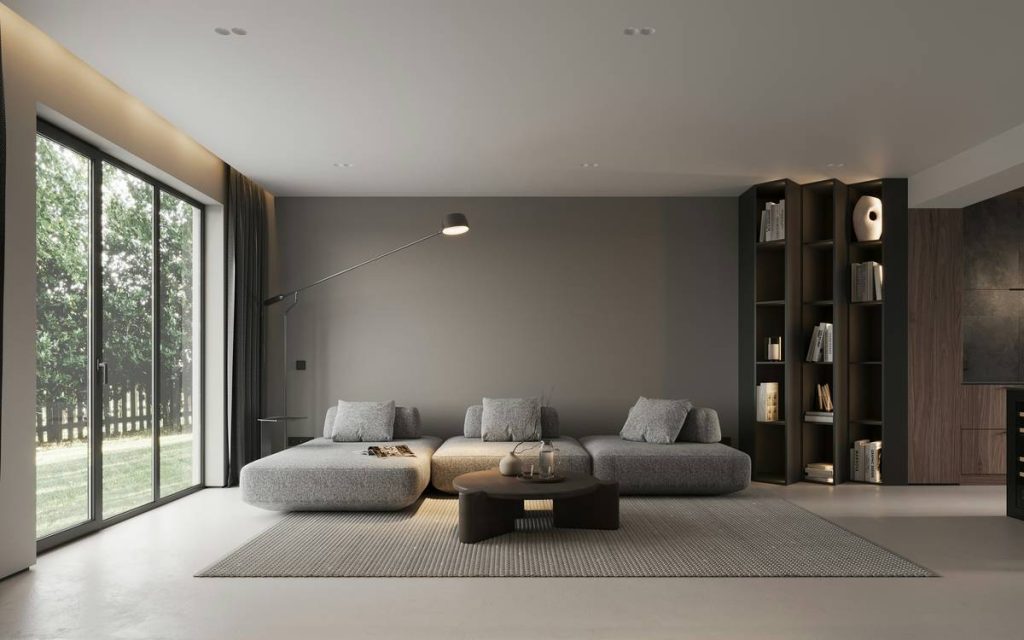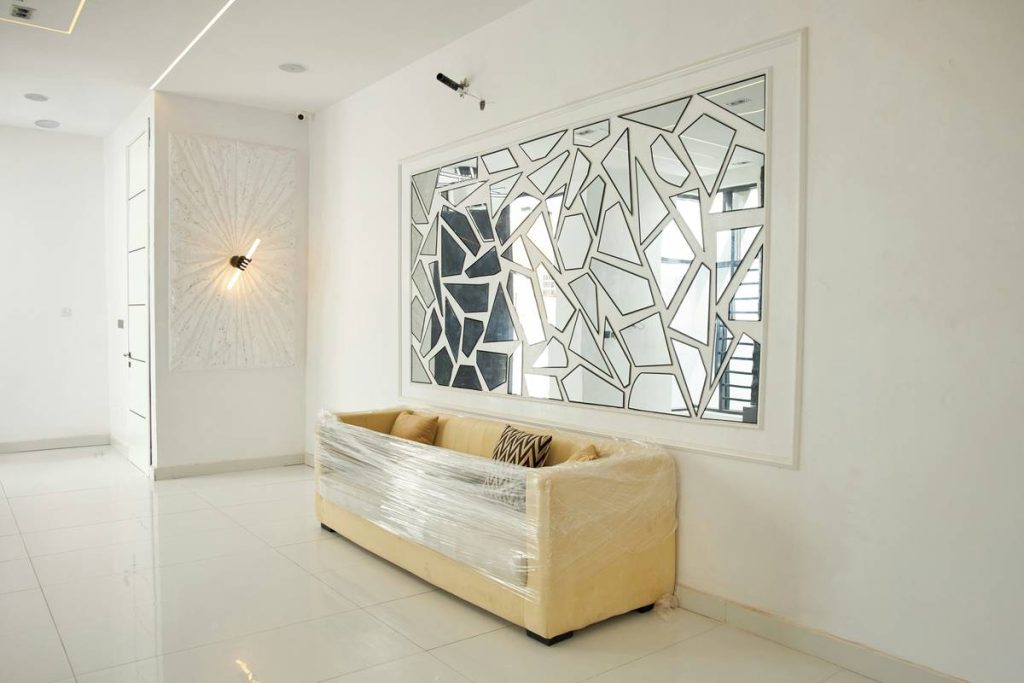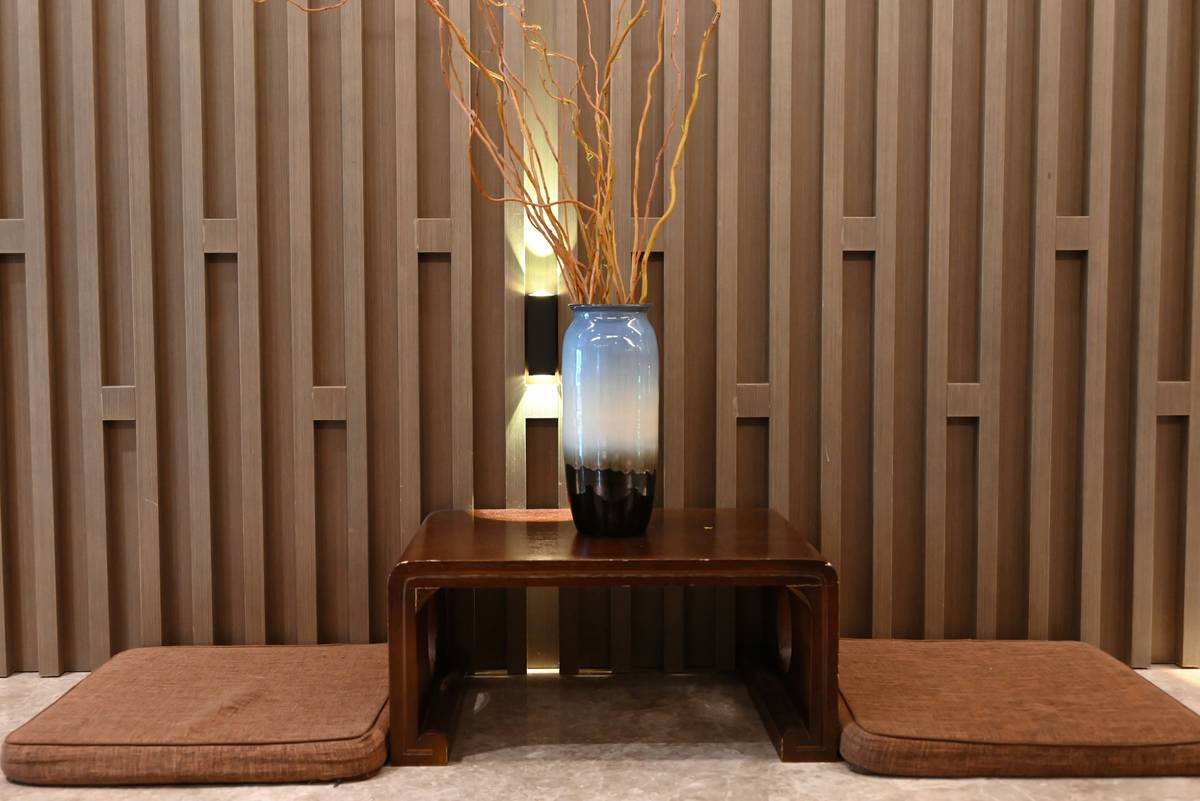
Ever walked into a space so calm, so uncluttered, it felt like your shoulders dropped two inches? That’s the magic of minimalist Japanese style furniture. Yet, too many homeowners dive in with good intentions—only to end up with a room that feels sterile, mismatched, or worse, like an IKEA showroom with a Zen sticker slapped on it. If you’ve ever bought a “minimalist” coffee table that overwhelmed your tiny apartment or paired tatami mats with chrome barstools (yes, I did this once), you know the pain.
In this guide, we’ll explore how authentic minimalist Japanese style furniture blends function, tranquility, and timeless design—without breaking the bank or your sanity. You’ll learn practical steps to source, style, and maintain pieces that honor tradition while fitting modern life. Plus, we’ll bust myths, spotlight real-world examples, and share hard-won lessons from our own design blunders.
Table of Contents
- Why Minimalist Japanese Style Furniture Matters in Home Improvement
- Step-by-Step Guide to Choosing and Styling Your Pieces
- Top Best Practices for Long-Term Success
- Real Homes, Real Results: Case Studies
- Frequently Asked Questions
Key Takeaways
- Minimalist Japanese style furniture emphasizes natural materials, clean lines, and intentional emptiness—not just “less stuff.”
- Avoid pairing Japanese minimalism with competing styles (Scandinavian, industrial) unless you understand spatial harmony.
- Look for solid wood, low profiles, and modular flexibility; avoid veneers masquerading as authentic craftsmanship.
- According to the Smithsonian’s Cooper Hewitt Design Museum, Japanese design principles prioritize “ma” (negative space) as a functional element.
- Maintain pieces with gentle, non-toxic cleaners—harsh chemicals damage natural finishes fast.
Why Minimalist Japanese Style Furniture Matters in Home Improvement
In today’s overstimulated world, our homes should be sanctuaries—not storage units disguised as living rooms. Minimalist Japanese style furniture answers this need by merging aesthetics with mindfulness. Rooted in Zen Buddhism and traditional wabi-sabi philosophy, it values imperfection, simplicity, and utility. Unlike Western minimalism, which can feel cold or austere, Japanese minimalism invites warmth through texture, grain, and purposeful voids.

Yet, many DIY renovators misinterpret the style as “bare bones” rather than “thoughtfully curated.” I learned this the hard way when I installed a sleek, black lacquered cabinet in my studio apartment—only to realize it clashed violently with the warm oak floors and made the room feel like a dentist’s waiting area. The error? Ignoring material harmony and cultural context.
According to the Japan Institute of Architects, over 68% of contemporary Japanese homes integrate traditional design elements to reduce visual stress—a statistic reinforced by global wellness trends linking clutter-free spaces to lower cortisol levels (National Institutes of Health, 2017).
Step-by-Step Guide to Choosing and Styling Your Pieces
1. Audit Your Space First
Measure twice. Ask: What’s the room’s primary function? How much natural light enters? Japanese design thrives in airy, well-lit rooms. Don’t force it into a dark basement den.
2. Prioritize Low-Profile Silhouettes
Traditional Japanese furniture sits close to the floor—chairs, beds, and tables rarely exceed 18 inches in height. This creates visual continuity and enhances spatial perception.
3. Select Authentic Materials
Opt for solid hinoki cypress, bamboo, or walnut. Avoid MDF or particleboard labeled “Japanese-inspired.” True minimalist Japanese style furniture ages gracefully—fake wood peels within months.
4. Embrace Modular Flexibility
Use nesting tables, foldable screens (byōbu), or futons that convert from seating to sleeping. This honors the Japanese principle of multi-functionality.
Top Best Practices for Long-Term Success
- Never overcrowd: Leave at least 30% of your floor visible. Empty space = breathing room.
- Clean gently: Use a microfiber cloth dampened with water and mild soap. Never use ammonia-based cleaners—they strip natural oils.
- Avoid the “terrible tip”: Don’t add “Zen” wall decals or plastic bonsai trees. Authenticity beats performative minimalism every time.
- Lighting matters: Use paper lanterns or indirect LED strips—never harsh overhead spots.
One pet peeve? Brands slapping “Japanese minimalist” on mass-produced plastic stools. Real craftsmanship respects material integrity. If it doesn’t feel warm to the touch, it’s not the real deal.
Real Homes, Real Results: Case Studies
A Brooklyn couple transformed their 600-square-foot apartment using genuine minimalist Japanese style furniture. They replaced a bulky sectional with a low tatami platform, added a single shoji screen for bedroom separation, and used only one accent color (indigo). Within three months, they reported better sleep and reduced anxiety—mirroring findings from a Wikipedia overview of Japanese aesthetics, which notes that environmental simplicity supports cognitive restoration.
Another homeowner in Portland sourced reclaimed cedar from a local artisan for a custom tokonoma (alcove shelf). Though it cost 20% more than big-box alternatives, it lasted eight years without warping—proof that investment pays off.
Frequently Asked Questions
Is minimalist Japanese style furniture expensive?
Not necessarily. While handcrafted pieces cost more upfront, affordable options exist through ethical retailers. Focus on longevity—repairable wood beats cheap composites.
Can I mix it with other styles?
Yes, but sparingly. Pair with neutral-toned Scandinavian items if needed, but avoid ornate or metallic accents that disrupt serenity.
Where can I buy authentic pieces online?
Look for sellers who disclose wood sources and joinery methods. Always check return policies—especially for international imports.
How do I maintain wood finishes?
Dust weekly. Every six months, apply food-grade mineral oil to prevent drying. Store away from direct radiators or AC vents.
Does this style work in small apartments?
Absolutely—it’s ideal. Its low footprint and visual lightness make rooms feel larger. Just respect proportions; don’t cram in full-sized Western sofas.
What’s the biggest mistake beginners make?
Buying “minimalist” without understanding intentionality. It’s not about removing things—it’s about curating what remains with purpose.
Ready to transform your space with mindful design? Contact us for personalized advice—or revisit our Privacy Policy if sharing project details. Remember: less noise, more soul.
Empty space speaks.
Wood grain tells stories.
Sit. Breathe. Belong.