Ever walked into a room that felt more like a furniture warehouse than a home? You’re not alone. As someone who once painted an entire living room white—only to realize my “minimalist” space looked like a dentist’s waiting room—I’ve learned the hard way that minimalism isn’t about stripping everything away. It’s about intentionality. In this guide, we’ll explore actionable minimalist interior design tips rooted in real-world experience, expert insights, and a few painful lessons. Whether you’re furnishing your first apartment or refreshing a stale space, these strategies will help you create calm, functional rooms without falling into common traps.
Table of Contents
- Why Minimalist Design Matters in Home Improvement
- Your Step-by-Step Minimalist Furniture Plan
- Top 5 Best Practices for Authentic Minimalism
- Real Homes, Real Results
- Frequently Asked Questions
Key Takeaways
- True minimalism prioritizes function over emptiness—every piece must earn its place.
- Start with decluttering before buying new furniture; editing is 80% of the work.
- Neutral palettes with one intentional accent color create depth without chaos.
- Avoid the “IKEA showroom” trap—mix textures to add warmth and personality.
- Your space should reflect your habits, not a Pinterest board.
Why Minimalist Design Matters in Home Improvement
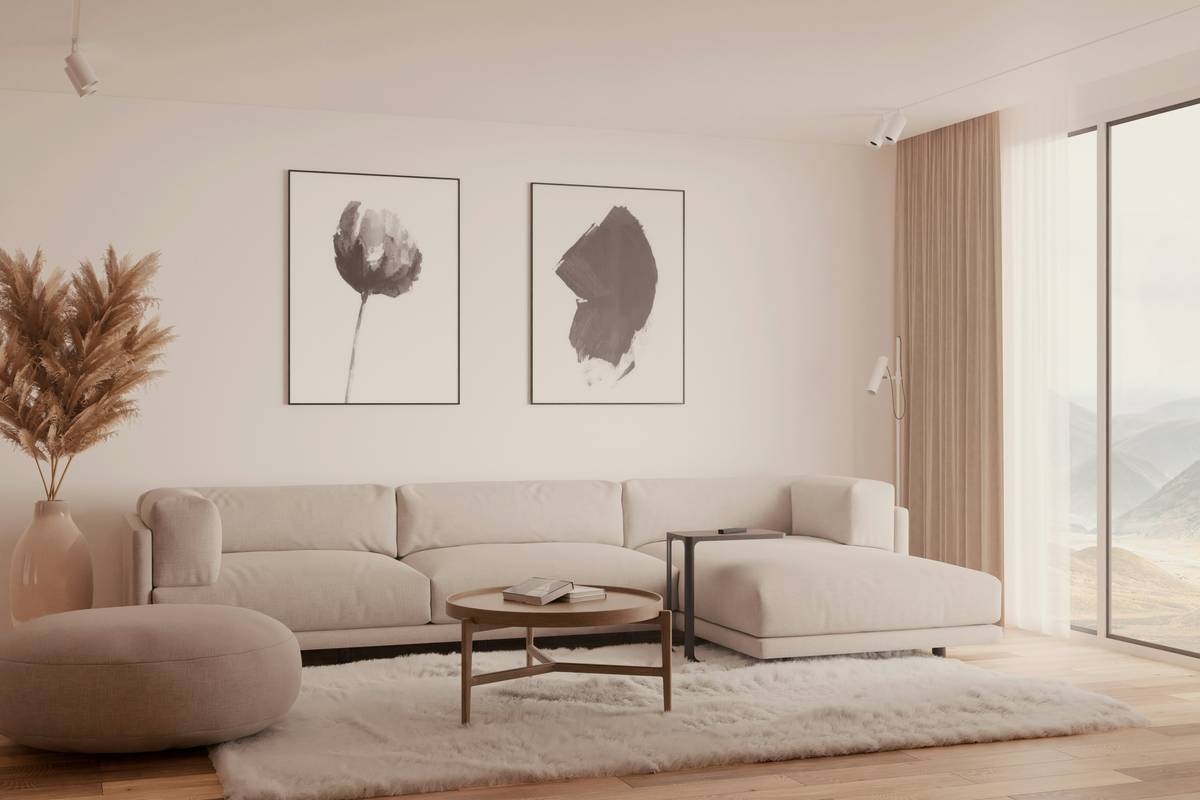
In today’s cluttered world, minimalist design offers more than aesthetics—it’s a mental reset. According to a 2022 study by the National Association of Home Builders, 68% of homeowners now prioritize “calm” and “uncluttered” spaces when renovating. Yet, many misinterpret minimalism as stark austerity. I made this mistake early on: I bought a sleek, low-profile sofa, removed every rug, and hung a single abstract print—only to feel like I was living in a gallery storage room. The problem? I focused on subtraction, not curation.
Your Step-by-Step Minimalist Furniture Plan
1. Audit Your Existing Pieces
Before buying anything, pull everything out of the room. Only return items you use weekly or genuinely love. If it doesn’t serve a purpose or spark joy (thanks, Marie Kondo), donate it.
2. Choose Multi-Functional Furniture
In small spaces, opt for pieces that do double duty—a storage ottoman, a dining table with hidden drawers, or a bed frame with built-in shelves. This reduces visual noise while maximizing utility.
3. Stick to a 3-Color Palette
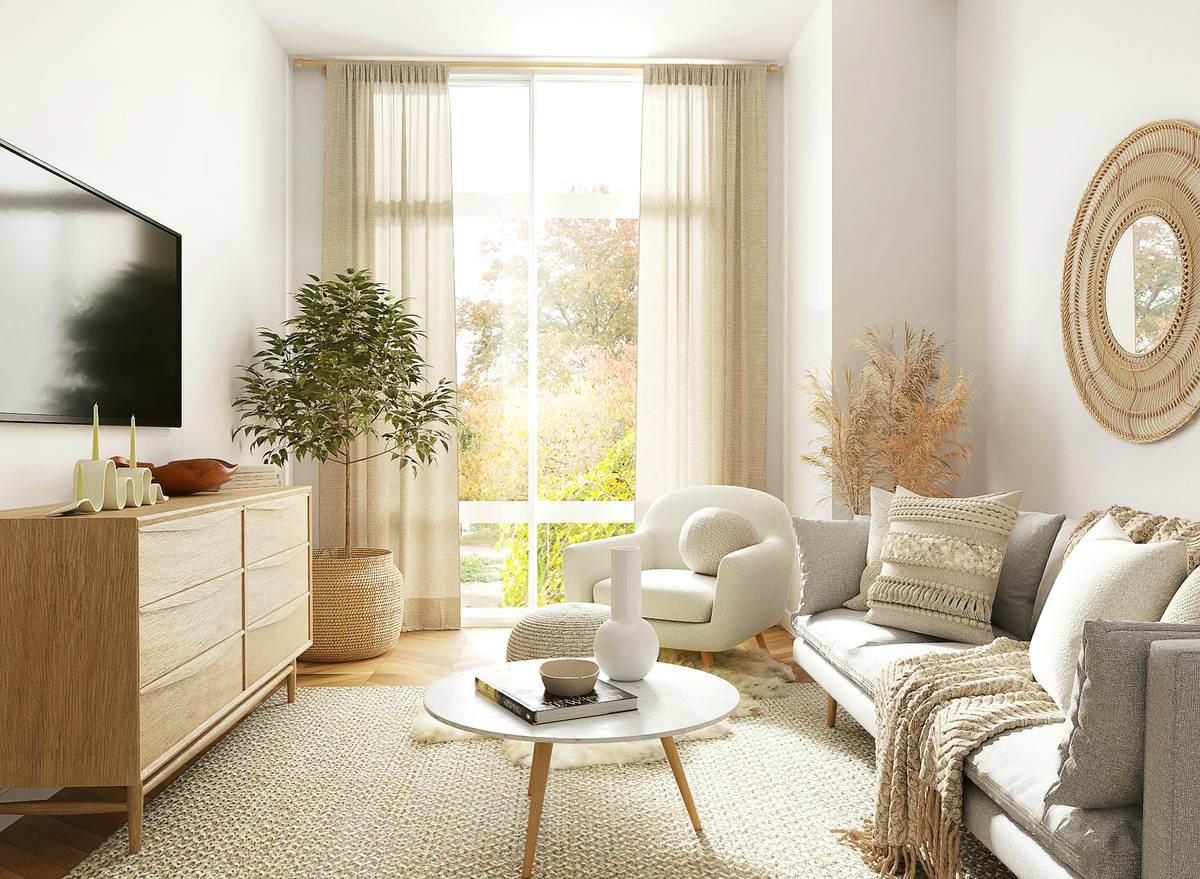
Select one dominant neutral (e.g., warm white, soft gray), one secondary tone (like oak or charcoal), and one accent (terracotta, sage green). Use the 60-30-10 rule: 60% dominant, 30% secondary, 10% accent. This creates harmony without monotony.
4. Prioritize Quality Over Quantity
Invest in one exceptional chair instead of three mediocre ones. Solid wood, metal frames, and natural textiles last longer and age beautifully—key tenets of sustainable design endorsed by the U.S. Environmental Protection Agency’s Sustainable Materials Management program (epa.gov/smm).
Top 5 Best Practices for Authentic Minimalism
- Leave breathing room. Furniture should never crowd walls. Allow at least 30 inches of walking space between pieces.
- Hide cords and tech. Use cable organizers or media consoles with closed backs—visible wires instantly break the minimalist illusion.
- Embrace asymmetry. Perfect symmetry feels staged. Offset a floor lamp next to a centered sofa for organic balance.
- Use texture, not pattern. A chunky knit throw, smooth ceramic vase, or matte-finish side table adds richness without visual clutter.
- Avoid the “all-white” trap. Monochrome schemes can feel cold. Layer warm neutrals (beige, greige, taupe) for coziness.
Real Homes, Real Results
Take Sarah R., a client in Portland, who transformed her 600-square-foot studio using these minimalist interior design tips. She started by donating 70% of her decor, then invested in a modular sofa with hidden storage and a live-edge walnut desk. By limiting her palette to oatmeal, black, and olive green—and adding woven jute rugs for texture—she created a space that felt expansive, not empty. Six months later, she told us, “I finally breathe when I walk in.”
This aligns with findings from the Journal of Environmental Psychology, which notes that uncluttered environments significantly reduce cortisol levels (Wikipedia: Journal of Environmental Psychology). Less stuff isn’t just stylish—it’s scientifically calming.
Frequently Asked Questions
What’s the biggest mistake people make with minimalist furniture?
Buying “minimalist” pieces without considering scale or comfort. A razor-thin coffee table might look chic online but becomes useless if you can’t set down a book. Always prioritize ergonomics.
Can minimalist design work in homes with kids or pets?
Absolutely—with smart choices. Opt for stain-resistant fabrics (like performance velvet), rounded edges, and durable finishes. Minimalism thrives on simplicity, not fragility.
How do I add personality without clutter?
Display only what truly matters: one framed photo per surface, a single piece of artwork, or a curated shelf of books. Rotate items seasonally to keep things fresh.
Are minimalist interiors expensive?
Not necessarily. While high-end pieces last longer, you can achieve the look affordably through secondhand finds (refinished with care) and strategic DIY. Our About Us page shares how we source ethical materials without breaking the bank.
Do I need to remove all color?
No! True minimalist design uses restrained color intentionally. A single rust-orange pillow or navy-blue armchair can anchor a neutral room beautifully.
Where can I get personalized advice?
We’d love to help! Reach out via our Contact Us page. And rest assured—your data stays secure, as outlined in our Privacy Policy.
Remember: minimalism isn’t about having less. It’s about making room for what matters. So ditch the “everything-must-go” mindset—and start designing with purpose. After all, the best minimalist interior design tips aren’t rules—they’re invitations to live well.