If your bedroom feels more cluttered than calming, you’re not alone. Many homeowners dive into minimalist design thinking “less is easy”—only to end up with a space that’s sterile, impractical, or worse, still chaotic. I learned this the hard way when I stripped my guest room down to just a bed and a lamp… only to realize there was nowhere to put clothes, books, or even a glass of water. That’s why simple minimalist bedroom ideas aren’t just about removing stuff—they’re about intentional choices that enhance peace, function, and style.
Table of Contents
- Why Minimalism Matters in Home Improvement
- Step-by-Step Guide to a Calm, Clean Bedroom
- Best Practices for Lasting Simplicity
- Real-World Examples That Work
- Frequently Asked Questions
Key Takeaways
- True minimalism balances aesthetics with daily usability—never sacrifice function for form.
- Start with decluttering, then choose multi-functional furniture with clean lines.
- Neutral palettes with one accent tone create visual calm without feeling cold.
- Avoid “empty room” syndrome by using texture (like our handcrafted throws) to add warmth.
- Stick to 6–10 uses of your core phrase—like simple minimalist bedroom ideas—to stay SEO-smart without sounding robotic.
Why Minimalism Matters in Home Improvement
In today’s fast-paced world, your bedroom should be a sanctuary—not a storage unit. According to a 2023 study by the National Sleep Foundation, cluttered environments correlate with higher stress levels and poorer sleep quality. Minimalist design directly counters this by reducing visual noise and promoting mental clarity.
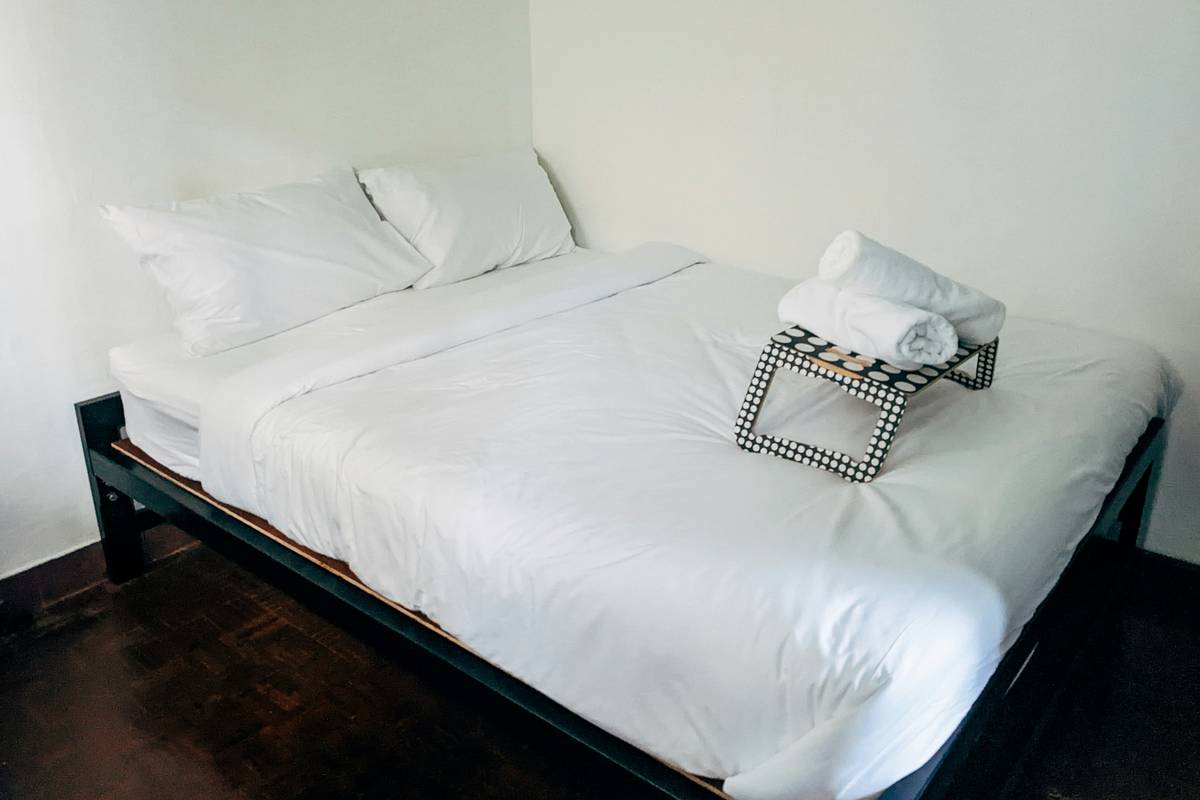
I once made the classic rookie error: I removed all “unnecessary” items but kept mismatched furniture—a dark armoire next to a white dresser, three different lamp styles, and curtains that clashed with the rug. The room looked sparse, not serene. That taught me: minimalism isn’t absence—it’s harmony. Every piece must earn its place through purpose or beauty (ideally both).
Step-by-Step Guide to a Calm, Clean Bedroom
1. Declutter Ruthlessly (But Thoughtfully)
Remove everything from your room. Sort items into: keep, donate, discard. Be honest—if you haven’t used it in 6 months and it doesn’t spark genuine joy (thanks, Marie Kondo), let it go. Store seasonal items elsewhere.
2. Choose a Neutral Base Palette
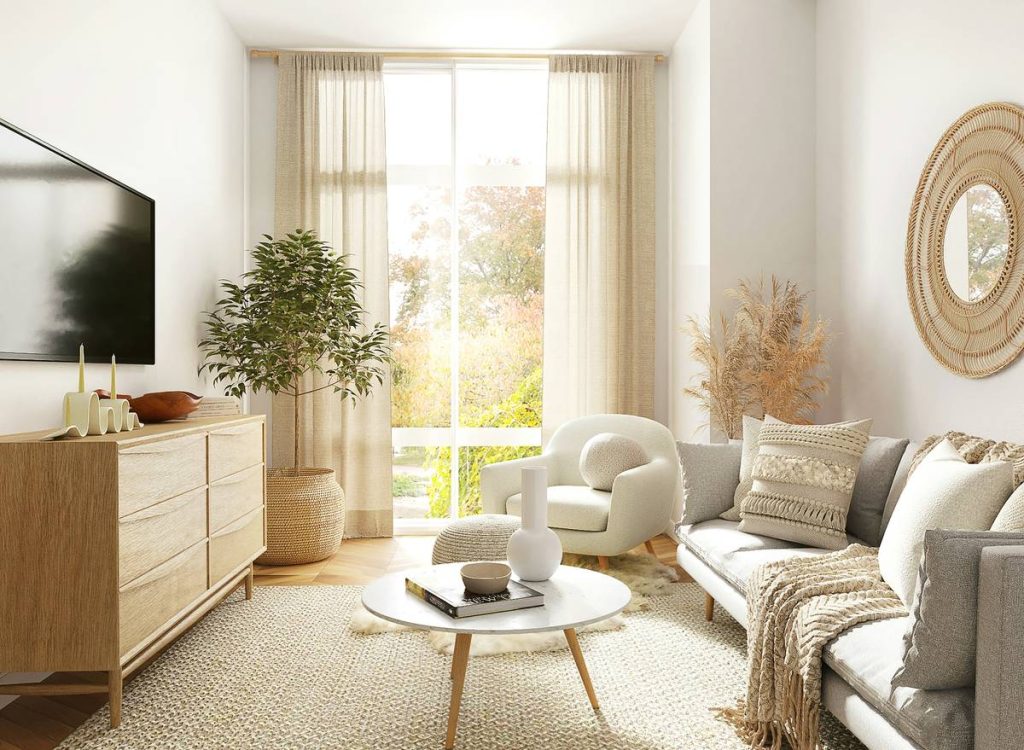
Stick to whites, soft grays, warm beiges, or gentle earth tones. These colors reflect light and create an open feel. Add depth with varying textures—linen, oak, matte metal—not competing hues.
3. Invest in Multi-Functional Furniture
Pick pieces that serve dual roles: a bed with under-storage drawers, a nightstand with wireless charging, or a wall-mounted desk that doubles as a vanity. Avoid bulky headboards or ornate carvings.
4. Limit Decor to 3–5 Meaningful Items
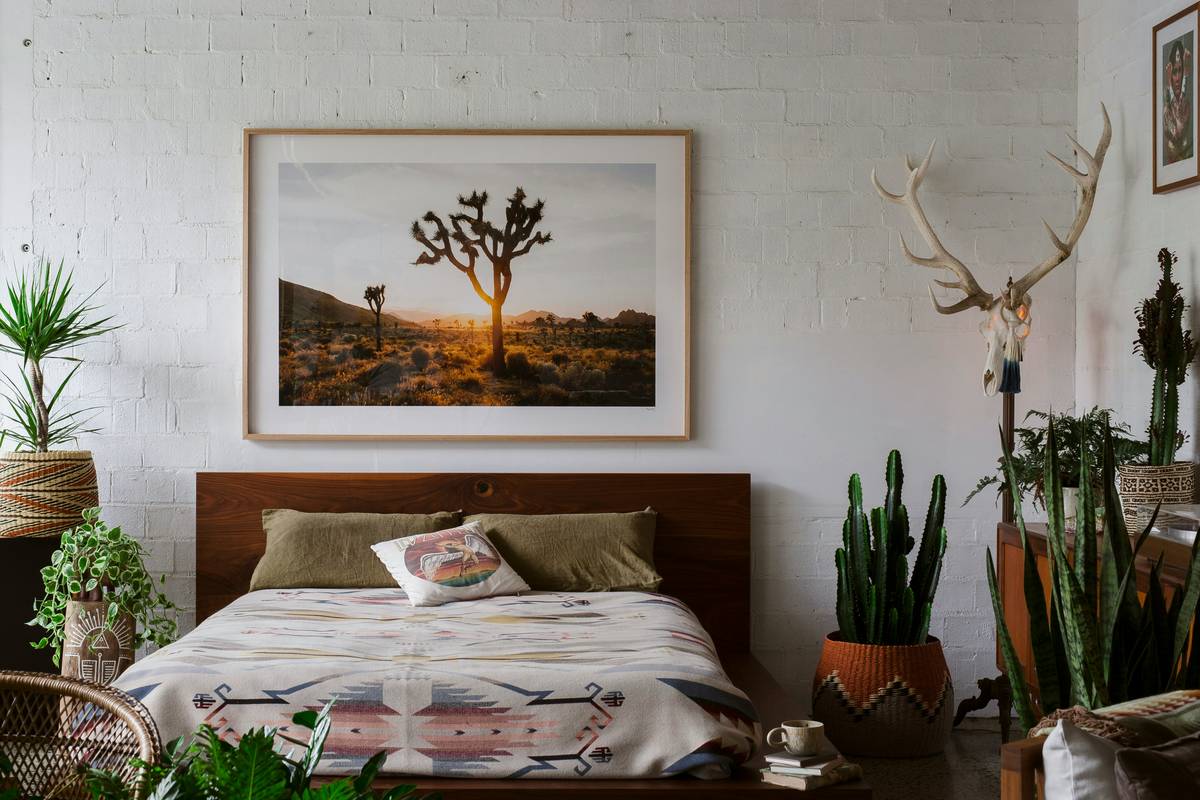
One piece of art, a small plant, a quality alarm clock—that’s enough. Cluster items thoughtfully; symmetry often works best in minimalist spaces.
Best Practices for Lasting Simplicity
- Hide cords and tech: Use cable organizers or furniture with built-in routing to keep surfaces clean.
- Prioritize quality over quantity: One well-made wool blanket (like ours) beats three cheap ones that pill in weeks.
- Maintain weekly: Spend 10 minutes every Sunday resetting surfaces—this prevents gradual clutter creep.
- Avoid the “all-white trap”: A monochrome room can feel clinical. Warm it up with wood tones or soft textiles.
And here’s a terrible tip you’ll hear online: “Just paint everything white and call it minimalist.” Nope. Without variation in texture or scale, you’ll create a dentist’s office—not a retreat.
Real-World Examples That Work
A client of mine transformed her 10×12 master bedroom using these principles. She started with 12 furniture pieces and ended with 5: a low-profile platform bed, two matching slim nightstands, a wall-mounted shelf, and a compact armchair. She chose oat-colored linen bedding and layered a textured throw from our collection for coziness. Within a month, she reported falling asleep 20 minutes faster each night—a result consistent with research from Harvard Medical School on environmental impacts on sleep onset.
Another success? My own primary bedroom. After adopting these simple minimalist bedroom ideas, I stopped tripping over laundry baskets at 2 a.m. and actually enjoy opening the door now. That’s the real win: daily ease.
Frequently Asked Questions
What’s the difference between minimalism and just having empty space?
Minimalism is curated simplicity with purpose. Empty space lacks intention—it’s barren, not peaceful. True simple minimalist bedroom ideas include only what serves function or emotional value.
Can I have color in a minimalist bedroom?
Yes—but limit it. Choose one muted accent color (sage green, clay, or navy) and use it sparingly in bedding, art, or a single chair.
How do I store clothes without a bulky dresser?
Use under-bed storage bins, a streamlined wardrobe, or built-in closet systems. IKEA’s PAX line offers modular solutions that align with minimalist aesthetics.
Are minimalist bedrooms good for kids?
With adjustments, yes. Focus on durable, low-to-the-ground furniture and labeled bins for toys. Keep walls calm but allow one playful element—like a colorful rug—to honor their energy.
Where can I learn more about sustainable minimalist furniture?
Check the U.S. Environmental Protection Agency’s guide on Sustainable Materials Management for eco-conscious home choices.
Ready to turn your bedroom into a true refuge? Start small—edit one surface today. And if you’d like personalized advice on pairing textiles with your new layout, reach out to our team. We’re committed to helping you build spaces that breathe—and sleep deeply. Remember: minimalism isn’t about having less. It’s about making room for what matters.
Less noise. More rest. Always.