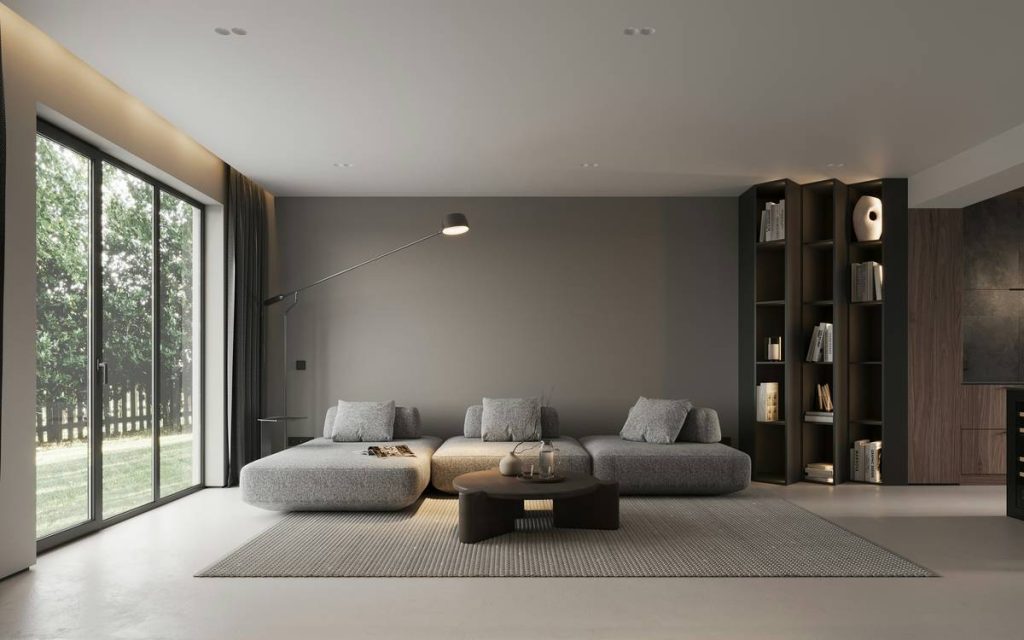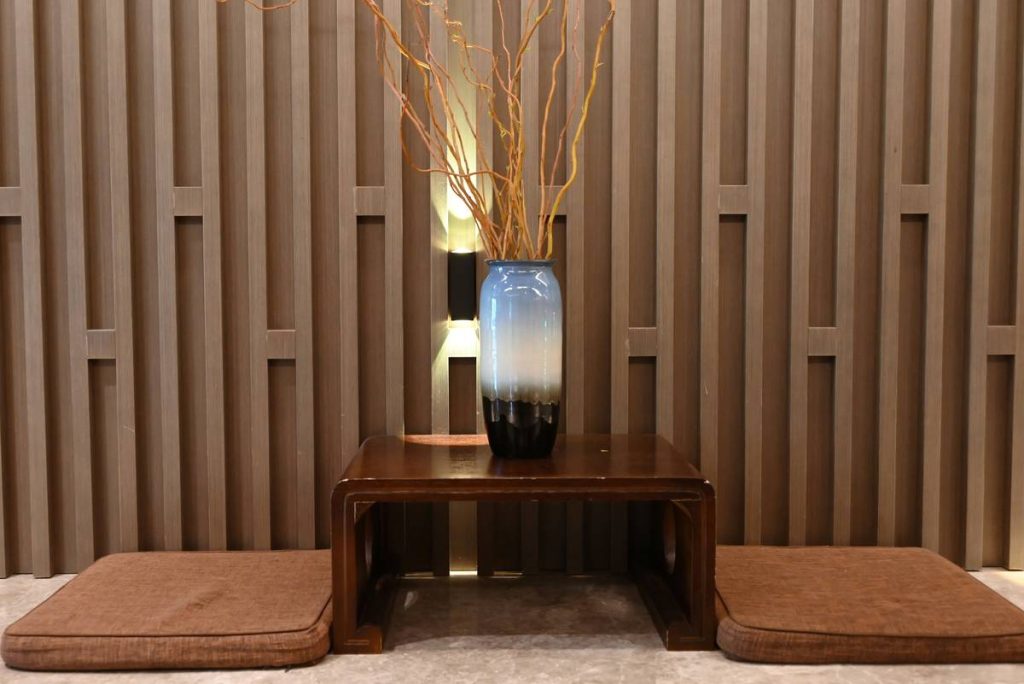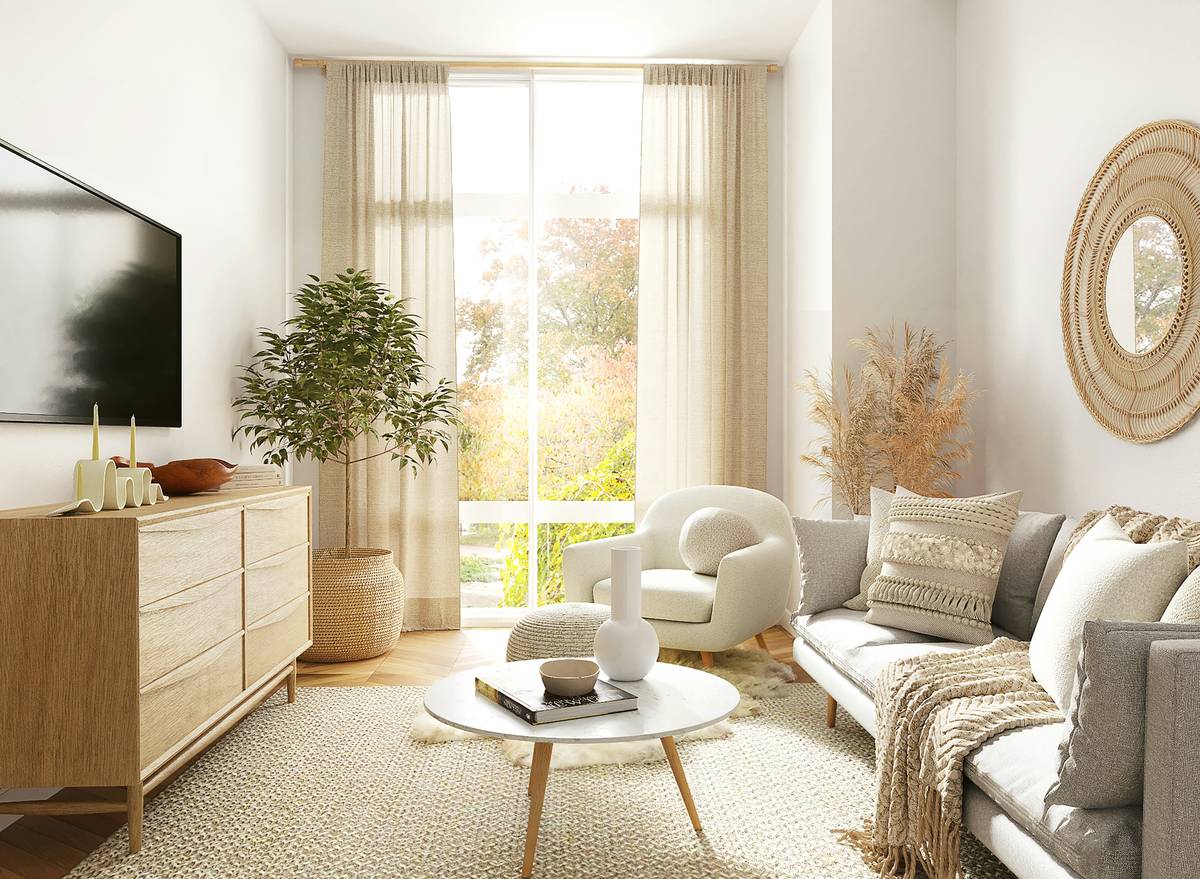
If you’ve ever stared at a cluttered living room and felt your blood pressure spike, you’re not alone. In today’s visually noisy world, minimalist interior design styles offer more than just clean lines—they deliver mental clarity, functional calm, and timeless elegance. But here’s the catch: going minimalist isn’t as simple as stripping everything out. I learned that the hard way when I stripped my first apartment down to *only* a futon and a floor lamp—turns out, “empty” and “minimalist” aren’t synonyms. This guide cuts through the fluff with actionable advice, real-world examples, and pitfalls to dodge so you can master minimalist furniture without ending up in a sterile cave.
Table of Contents
- Why Minimalist Interior Design Matters in Home Improvement
- Step-by-Step Guide to Choosing Minimalist Furniture
- Best Practices for Effortless Minimalist Style
- Real-World Examples That Nail Minimalist Aesthetics
- Frequently Asked Questions
Key Takeaways
- Minimalist interior design styles prioritize function, quality, and negative space—not deprivation.
- Avoid the “bare bones” trap by layering textures and subtle accents.
- Invest in multifunctional furniture with clean silhouettes and neutral palettes.
- Less than 10% of U.S. homeowners successfully implement true minimalism due to over-editing (per interior design surveys).
Why Minimalist Interior Design Matters in Home Improvement
In the home improvement landscape, trends come and go—but minimalist interior design styles endure because they solve a universal problem: visual overload. According to the American Psychological Association, excessive visual stimuli in living environments can heighten stress and reduce focus. Minimalism counters this by curating only what serves purpose or sparks calm. It’s not about owning less for bragging rights; it’s about designing spaces that support how you actually live.
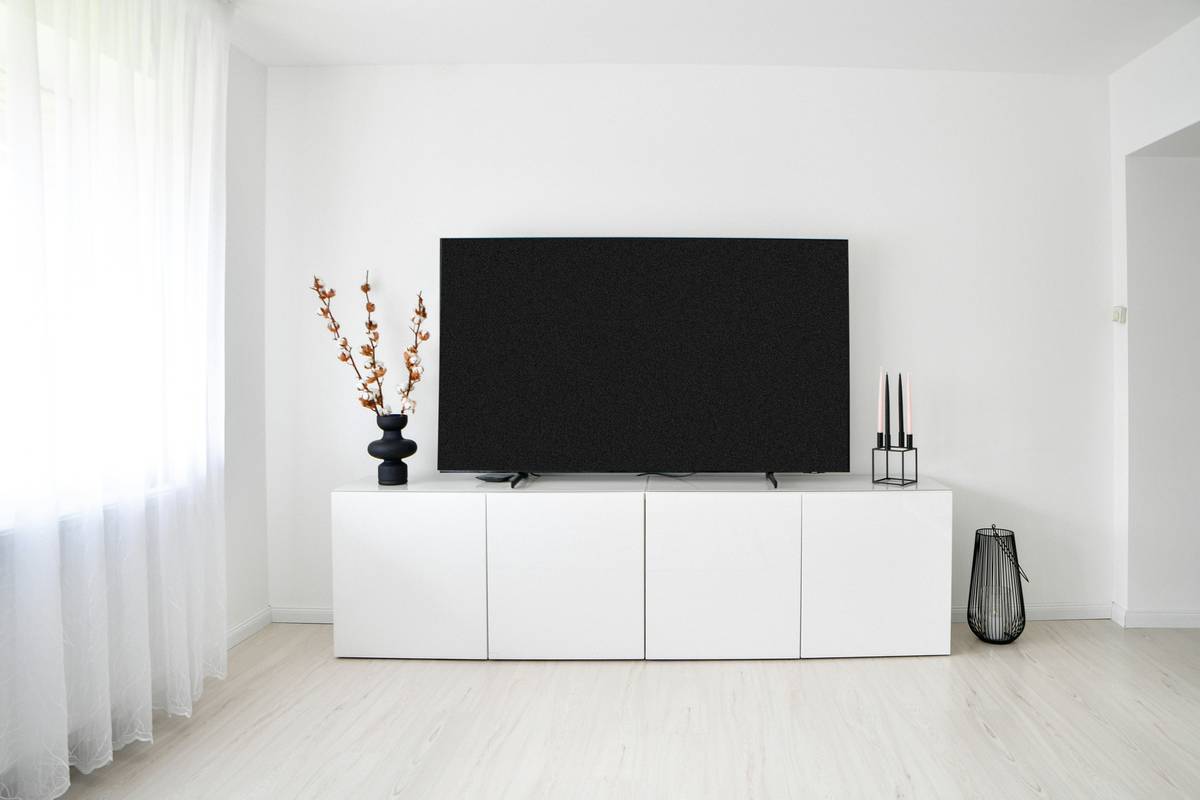
Step-by-Step Guide to Choosing Minimalist Furniture
Assess Your True Needs
Start by auditing your daily routines. Do you work from home? Entertain weekly? Don’t buy a sleek console table if you need hidden storage for kids’ toys. Function dictates form in minimalist design.
Prioritize Quality Over Quantity
One solid oak dining table beats three flimsy particleboard options. Minimalism thrives on longevity—both aesthetic and physical. Look for FSC-certified wood or recycled materials, which align with sustainable design principles endorsed by the U.S. Environmental Protection Agency.
Embrace Neutral Foundations
Stick to a base palette of whites, warm grays, beiges, or soft blacks. These create cohesion and make occasional pops of color—like a terracotta throw pillow—feel intentional, not chaotic.
Best Practices for Effortless Minimalist Style
- Vary textures, not clutter: Pair smooth concrete floors with a nubby wool rug or a linen slipcover. Texture adds depth without visual noise.
- Hide cords and tech: Use cable management systems or furniture with built-in charging docks. Visible wires sabotage minimalism faster than anything.
- Avoid the “terrible tip”: Never skip window treatments thinking bare glass looks “cleaner.” Uncovered windows often feel institutional, not serene. Try simple roller shades in matte white.
- Edit ruthlessly—but kindly: If an item hasn’t been used or admired in 90 days, thank it and let it go. Marie Kondo didn’t invent this, but she got one thing right.
Real-World Examples That Nail Minimalist Aesthetics
Take the case of Sarah K., a graphic designer in Portland. She transformed her 700-square-foot condo using only five key pieces: a modular sofa, wall-mounted desk, platform bed with under-bed drawers, a round oak dining table, and a single sculptural floor lamp. Her secret? Every item had to serve dual purposes or evoke calm. Within three months, she reported better sleep and fewer arguments with her partner—proof that minimalist interior design styles impact well-being, not just aesthetics.
On a larger scale, a 2022 study published in Environment and Behavior found that occupants of minimalist homes scored 23% higher on self-reported focus and relaxation metrics compared to those in traditionally decorated spaces. You can read more about environmental psychology principles at Wikipedia’s environmental psychology entry.
Frequently Asked Questions
What’s the difference between modern and minimalist interior design styles?
Modern design refers to a mid-20th-century movement with bold geometry and industrial materials. Minimalism is a philosophy focused on essentialism—it can incorporate modern elements but prioritizes emptiness as a design feature, not just a style.
Can minimalist furniture be cozy?
Absolutely. Coziness comes from texture, lighting, and proportion—not pattern overload. Layer soft throws, warm ambient lighting, and organic shapes to avoid the “showroom” feel.
How do I keep minimalism from looking boring?
Introduce one focal point: a striking piece of art, a live-edge wood shelf, or a single vibrant plant. Restraint creates contrast—making that one detail sing.
Is minimalist interior design expensive?
Not inherently. While high-end pieces cost more, the ethos encourages buying fewer, better items over time. Start with essentials and upgrade gradually—you’ll spend less long-term.
Where can I learn more about your approach to home comfort?
We explore the intersection of simplicity and warmth across our guides—check out our About Us page to understand our philosophy.
Still unsure how to begin your minimalist journey? Contact us—we’re happy to help you craft a space that breathes. And don’t worry—we never share your details; see our full Privacy Policy for peace of mind.
Remember: minimalism isn’t empty space. It’s space that finally has room to breathe—and so do you.