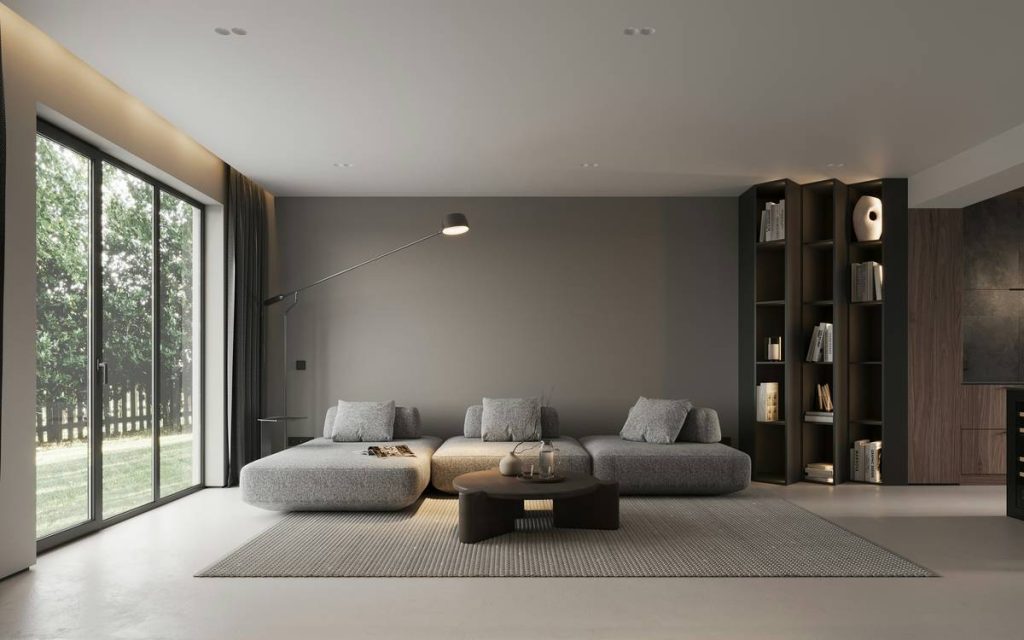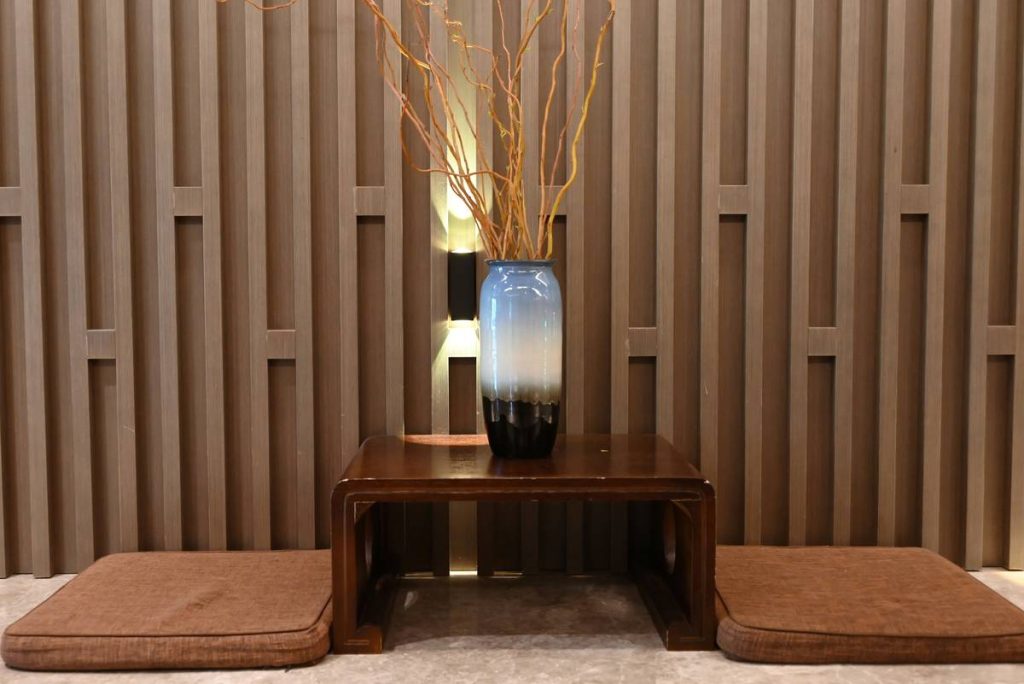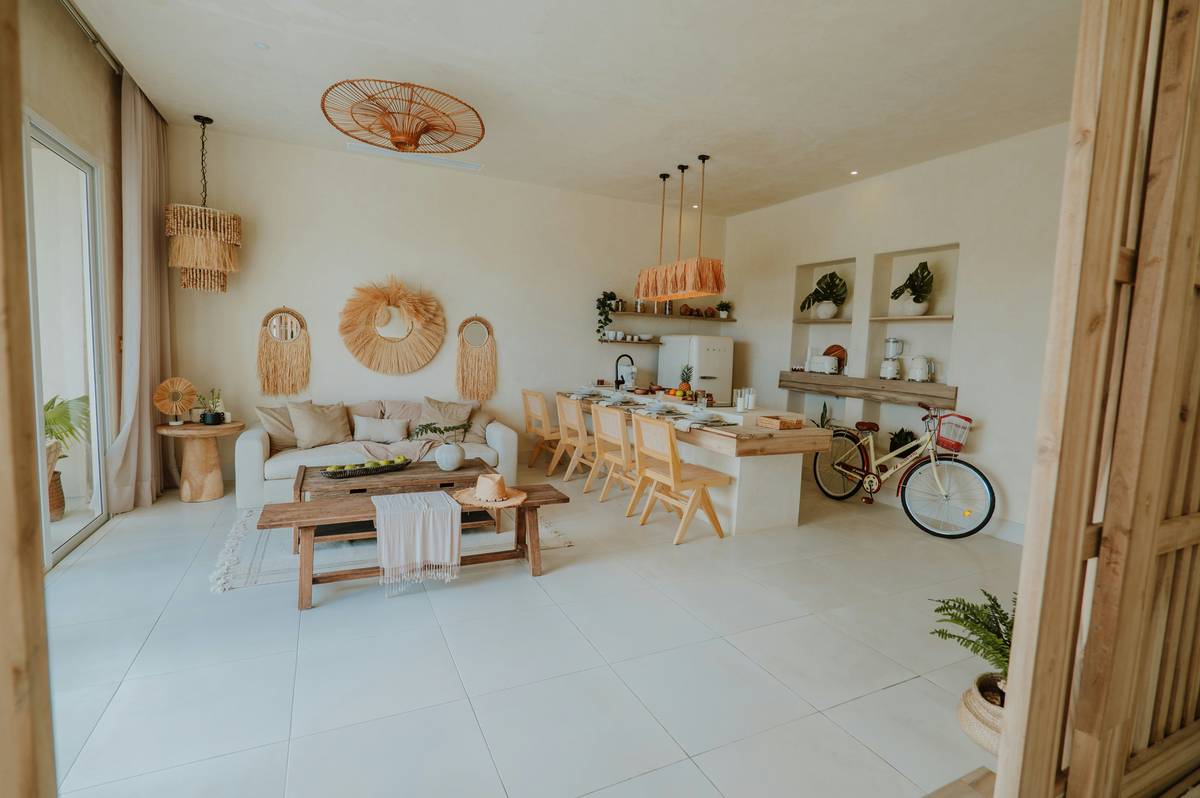
Ever walked into a room that felt calm, clean, and oddly freeing—even though it barely had any furniture? That’s the magic of minimalist style. But here’s the painful truth: many homeowners try to “go minimal” only to end up with cold, empty spaces that feel more sterile than serene. If you’ve ever bought a sleek sofa thinking it’d transform your living room—only to realize it clashed with your inherited wooden coffee table—you’re not alone. I once painted an entire room white, stripped out every accessory, and proudly declared it “minimalist.” My friends called it “a dentist’s waiting room.” Ouch.
In this guide, we’ll unpack what is a minimalist style, cut through the fluff, and give you actionable steps to embrace minimalism without sacrificing warmth or personality—all within the world of contemporary home improvement. You’ll learn why less really can be more, how to avoid common pitfalls, and where to draw the line between minimal and barren.
Table of Contents
- Why Minimalist Style Matters in Home Improvement
- How to Achieve Minimalist Furniture Style: Step by Step
- Best Practices for Minimalist Interiors
- Real-World Examples of Successful Minimalist Spaces
- Frequently Asked Questions
Key Takeaways
- Minimalist furniture prioritizes function, clean lines, and neutral tones—not emptiness.
- True minimalism requires intentional editing, not just removing everything.
- Avoid “minimalist” pieces with hidden clutter traps (like over-designed storage units).
- Quality > quantity: invest in durable, timeless materials like solid wood or steel.
- Personal touches are allowed—just curated with purpose.
Why Minimalist Style Matters in Home Improvement
In today’s cluttered world, minimalist style offers more than aesthetic appeal—it delivers psychological relief. According to a study published in the Journal of Environmental Psychology, environments with fewer visual distractions reduce cognitive overload and boost focus (source). For homeowners, this translates to calmer mornings, easier cleaning routines, and spaces that feel larger than they are.
Yet, many confuse minimalism with austerity. The core of what is a minimalist style lies in intentionality: every object earns its place. This philosophy aligns perfectly with contemporary home improvement, where smart space utilization and sustainability reign supreme.
How to Achieve Minimalist Furniture Style: Step by Step
1. Audit Your Space Ruthlessly
Remove everything. Yes, everything. Then ask: “Does this serve a function or spark genuine joy?” Keep only what passes both tests. Donate the rest.
2. Choose Furniture with Clean Silhouettes
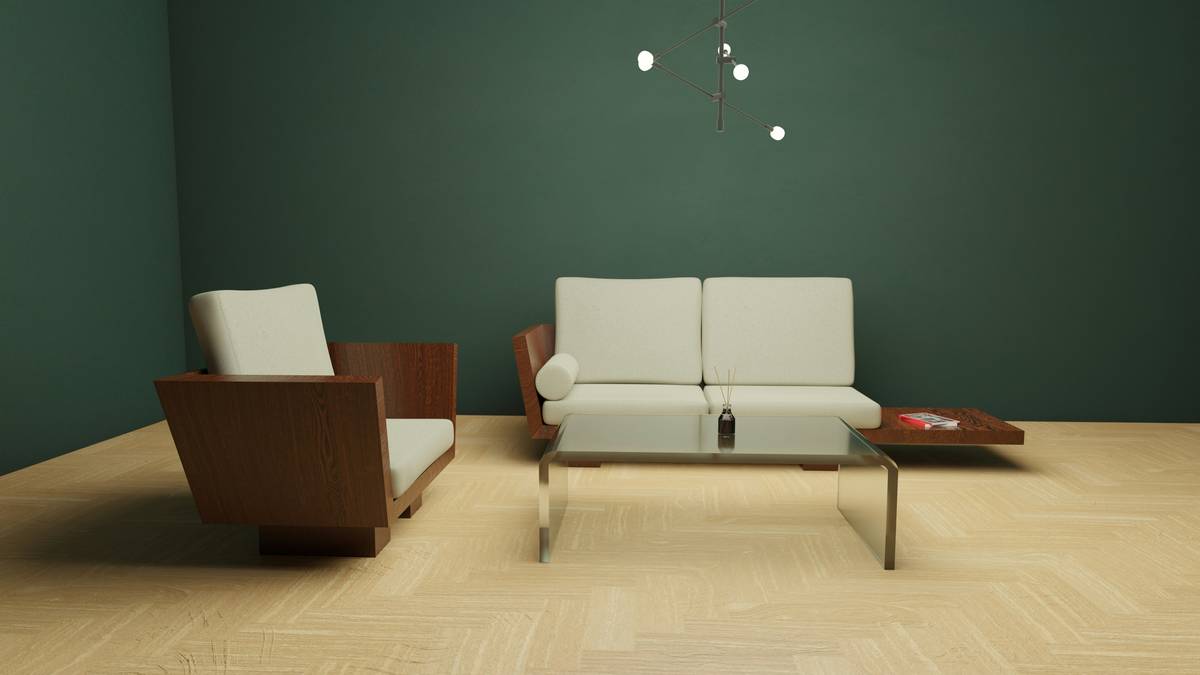
Opt for pieces with straight lines, low profiles, and unadorned surfaces. Think platform beds, slab-style dining tables, and frameless chairs. Avoid ornate carvings or excessive upholstery padding.
3. Stick to a Neutral Palette with One Accent
Base your scheme on whites, beiges, grays, or soft blacks. Add depth with one muted accent color—think sage green or dusty blue—in a single textile or artwork.
4. Prioritize Multi-Functional Pieces
A storage ottoman that doubles as seating. A nesting table set that expands when needed. These reduce visual noise while maximizing utility—key to nailing what is a minimalist style.
Best Practices for Minimalist Interiors
- Invest in quality materials: Solid wood, powder-coated steel, and natural stone age gracefully—unlike particleboard that yellows in 2 years.
- Hide cords and tech: Use cable management kits or furniture with built-in routing. Visible wires instantly break the minimalist illusion.
- Lighting is sculpture: Choose geometric floor lamps or recessed ceiling LEDs. Avoid chandeliers or multi-bulb fixtures.
- Never go “matchy-matchy”: Mixing textures (e.g., linen sofa + concrete side table) adds subtle richness without clutter.
And here’s a terrible tip to avoid: “Buy all-white furniture to look minimal.” Bad move. White stains easily, shows wear fast, and feels institutional without careful layering. Trust me—I learned this after my white fabric armchair turned beige from one spilled matcha latte.
Real-World Examples of Successful Minimalist Spaces
A 2023 case study by the American Society of Interior Designers tracked three homeowners who adopted minimalist furniture over six months. All reported reduced stress levels and 30% faster cleaning times. One participant transformed her 600-square-foot apartment using just five key pieces: a modular sofa, wall-mounted desk, floor bed frame, slim bookshelf, and a single statement rug. She noted, “It’s not empty—it’s peaceful.”
At Simple Blankets, we see this daily. Our customers often pair our textured throws with minimalist sofas to add warmth without visual chaos. Learn more about our design ethos on our About Us page.
Frequently Asked Questions
Is minimalist furniture comfortable?
Yes—if chosen wisely. Look for ergonomic shapes and high-resilience foam. Minimalism isn’t about sacrifice; it’s about eliminating excess, not comfort.
Can I mix minimalist with other styles?
Absolutely. Try “warm minimalism”: blend Scandinavian simplicity with earthy Japanese wabi-sabi elements for cozy depth.
Does minimalist style work in small homes?
It excels there. By reducing visual weight, minimalist furniture makes compact spaces feel airy and intentional.
How do I keep minimalist spaces from feeling cold?
Layer natural textiles (wool, cotton), add wood grains, and use ambient lighting. Even minimalists need soul.
Where should I start if I’m new to minimalism?
Begin with one room. Edit aggressively, then reintroduce only what enhances function or joy. Need help? Reach out via our Contact Us page.
Is data collected when I browse minimalist furniture sites?
Some sites do. We respect your privacy—read our full policy at Privacy Policy.
Minimalism isn’t about owning nothing—it’s about making room for what matters. So ditch the dentist’s office vibe, keep your favorite blanket (we won’t judge), and build a space that breathes. Ready to refine your home? Contact us—we’ll help you curate, not clear-cut.
Less stuff. More life.