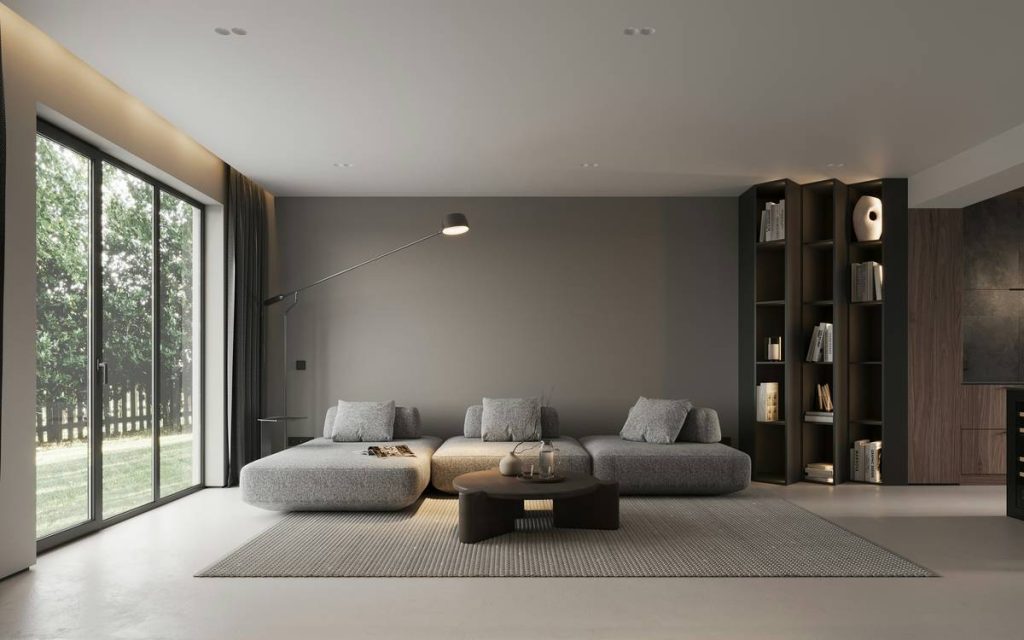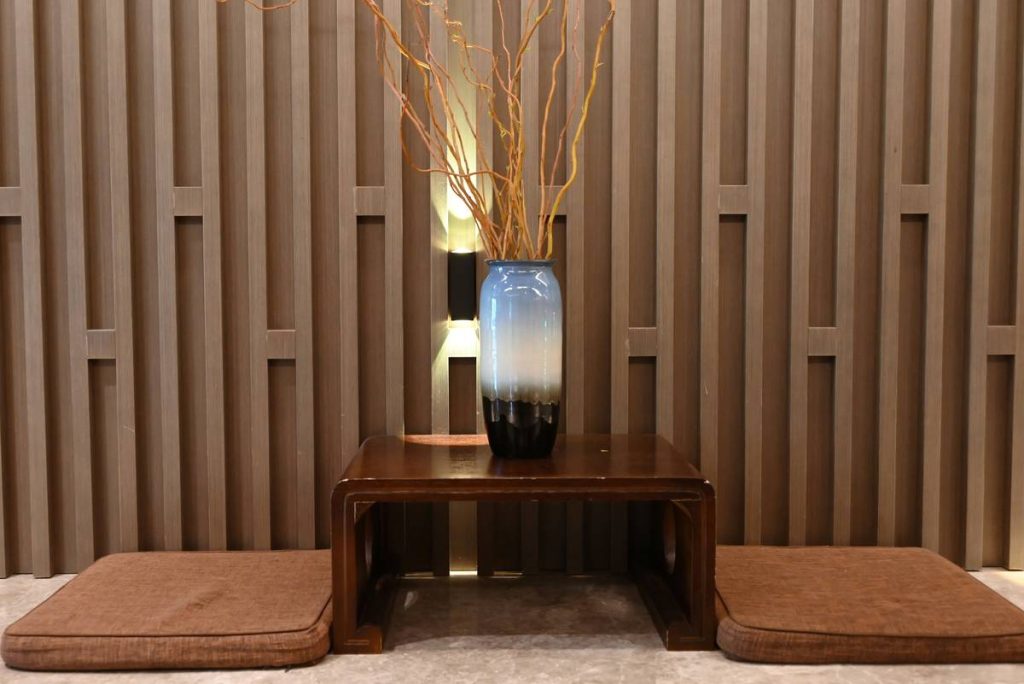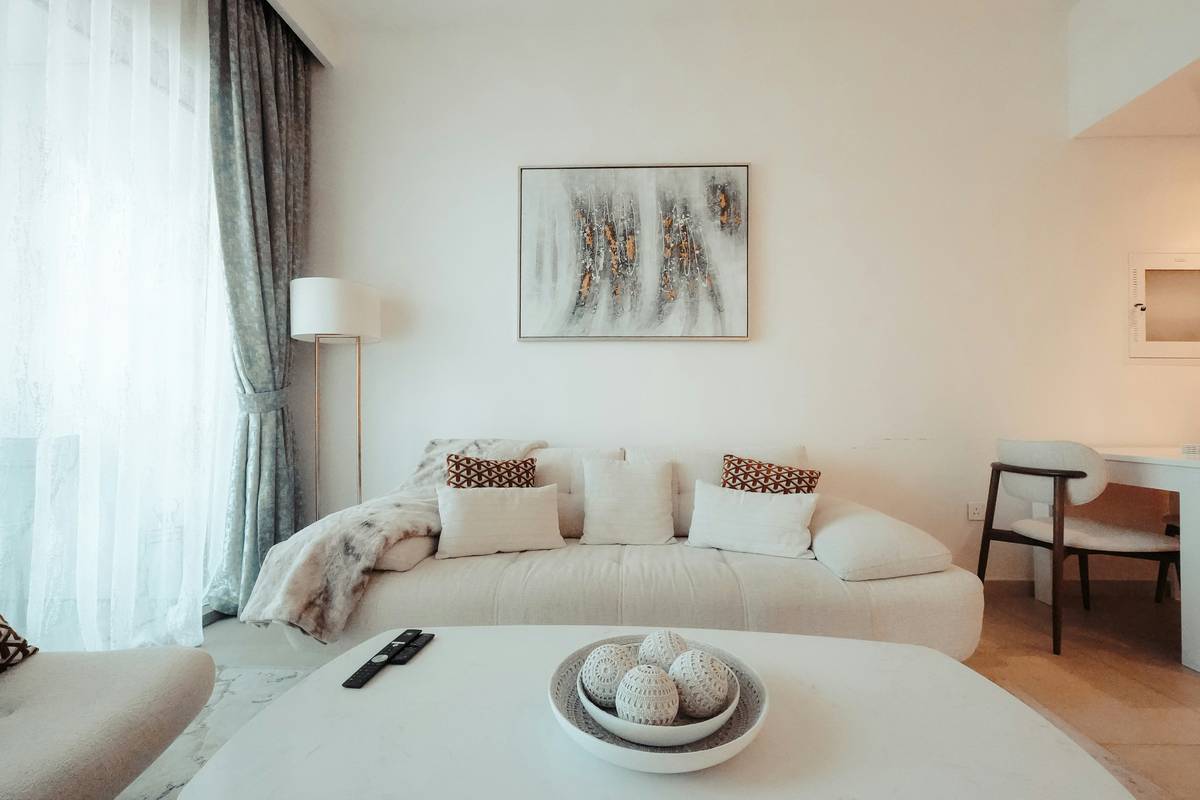
Ever walked into a room that felt more like a showroom than a home—sterile, cold, and oddly empty despite being “designed”? You’re not alone. Many homeowners mistake minimalism for emptiness, stripping spaces bare until they echo with regret. But true minimalist style isn’t about removing everything; it’s about curating what truly matters. In this guide, we’ll walk you through exactly how to decorate minimalist style without sacrificing warmth, personality, or comfort. From choosing the right furniture to sidestepping common pitfalls, you’ll learn actionable strategies backed by design principles and real-world experience.
Table of Contents
- Why Minimalism Matters in Home Improvement
- Step-by-Step Guide to Minimalist Decorating
- Best Practices & Common Pitfalls
- Real-World Examples That Work
- Frequently Asked Questions
Key Takeaways
- Minimalist furniture prioritizes function, clean lines, and neutral palettes—but never at the expense of comfort.
- Less clutter ≠ less character; use texture, lighting, and intentional accessories to add depth.
- Avoid the “white box” trap by introducing subtle contrast and organic materials like wood or wool.
- Start with a floor plan and edit ruthlessly—keep only pieces that serve a purpose or spark joy.
Why Minimalism Matters in Home Improvement
In today’s fast-paced world, our homes should be sanctuaries—not storage units for unused knickknacks. According to a 2023 study by the American Psychological Association, visual clutter increases cortisol levels, contributing to stress and mental fatigue. That’s where minimalist furniture shines: it creates calm through simplicity. But here’s the catch—many DIYers go too far. I once stripped my living room down to a single white sofa and a chrome floor lamp. It looked sleek in photos but felt like waiting in a dentist’s office. The fix? Reintroducing soft textures (like the handwoven throws from our About Us page) and warm wood tones brought back soul without sacrificing serenity.
Step-by-Step Guide to Minimalist Decorating
1. Define Your Functional Zones
Minimalism thrives on purpose. Map out how you actually use each room. Don’t install a reading nook if you never read in the living room. Every piece must earn its place.
2. Choose Furniture with Clean Lines
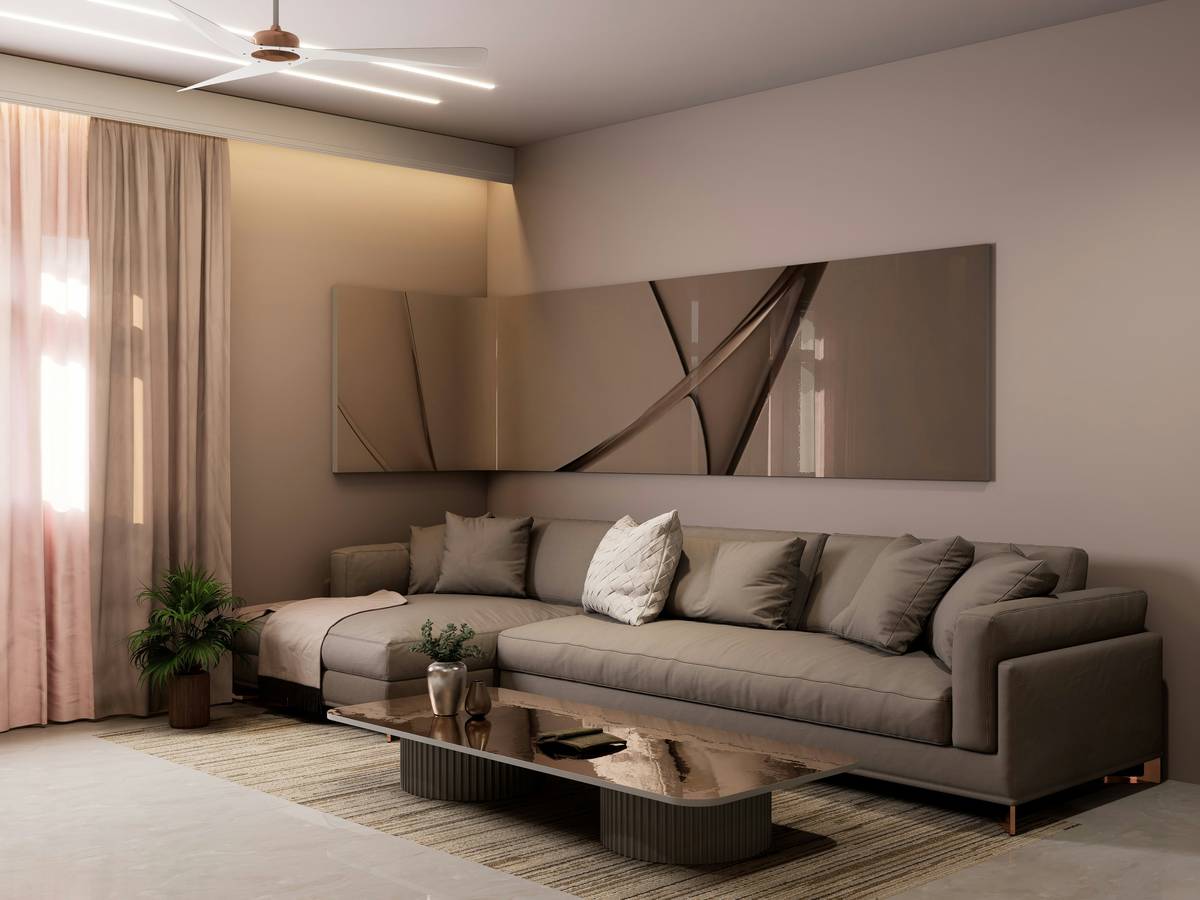
Opt for low-profile sofas, tapered legs, and unadorned surfaces. Think Scandinavian or Japanese influences—designs that emphasize horizontality and openness.
3. Stick to a 3-Color Palette
Base (e.g., warm white), accent (soft gray or beige), and one muted tone (sage green, clay red). This prevents visual chaos while allowing subtle interest.
4. Prioritize Quality Over Quantity
One solid oak coffee table beats three flimsy side tables. Invest in craftsmanship—pieces that last align with minimalist values of sustainability and intentionality.
Best Practices & Common Pitfalls
- Do use texture: A nubby wool rug or linen curtains add warmth without pattern.
- Don’t fear negative space: Empty walls aren’t wasted—they let key pieces breathe.
- Terrible tip to avoid: “Paint everything matte white.” Flat finishes hide nothing—fingerprints, scuffs, and shadows become glaring issues. Use eggshell or satin sheens for durability and soft reflectivity.
- My pet peeve: Fake “minimalist” brands selling $50 particleboard dressers labeled “Scandi-chic.” Real minimalist design respects materials. If it wobbles or off-gasses, it doesn’t belong in your calm space.
Real-World Examples That Work
A 2022 case study by the ArchDaily team tracked a Brooklyn apartment renovation where the owners reduced furniture by 60% but reported a 40% increase in perceived spaciousness and daily satisfaction. They kept only a platform bed, a floating desk, and a modular shelving unit—all in natural oak. Crucially, they layered in tactile elements: a chunky knit throw, a sheepskin stool, and indirect LED strip lighting. The result? A space that felt both serene and lived-in. At Simple Blankets, we’ve seen similar transformations when clients pair our organic cotton throws with streamlined furniture—they bridge the gap between austerity and coziness.
Frequently Asked Questions
What’s the difference between minimalist and modern furniture?
Modern refers to mid-20th-century design (think Eames chairs), while minimalist is a philosophy focused on reduction. You can have modern pieces in a minimalist room—but only if they serve a clear purpose.
Can I use color in minimalist decor?
Yes—but sparingly. One saturated accent wall or a single bold piece (like a terracotta vase) can anchor a neutral scheme without overwhelming it.
How do I store items without adding visual clutter?
Use closed cabinetry with seamless handles or integrated pulls. Floating shelves should hold only curated objects—never daily essentials.
Is minimalist style expensive?
Not necessarily. It’s about buying fewer, better things. Thrifted wood furniture sanded and oiled often outperforms cheap new sets. Check our Privacy Policy if you share personal preferences with us—we never sell your data.
Conclusion
Learning how to decorate minimalist style isn’t about stripping your home bare—it’s about making every object count. Start small: remove one unnecessary item today, replace it with something functional and beautiful tomorrow. Remember, minimalism serves you, not the other way around. Ready to refine your space with intention? Contact us—we’d love to help you choose the perfect textural accent to complete your calm oasis.
Simplicity speaks loudest when it’s wrapped in warmth.