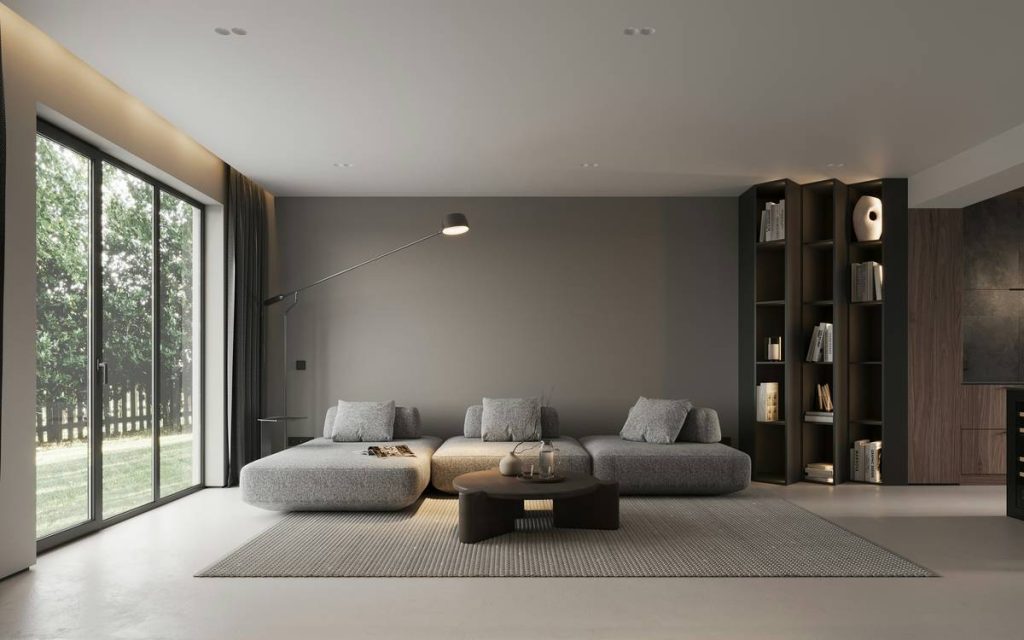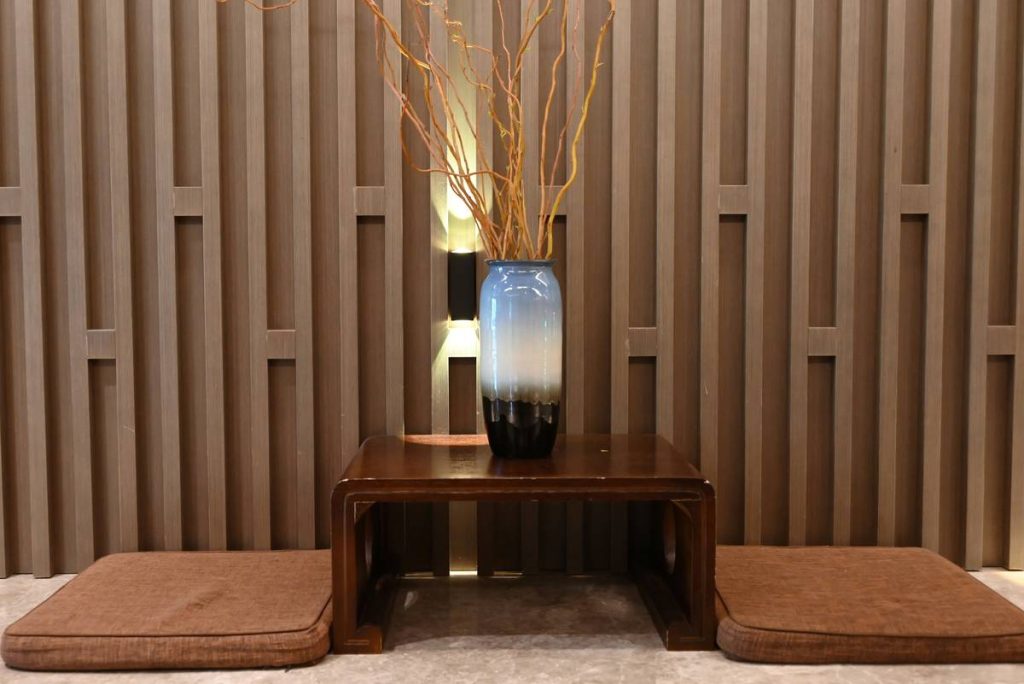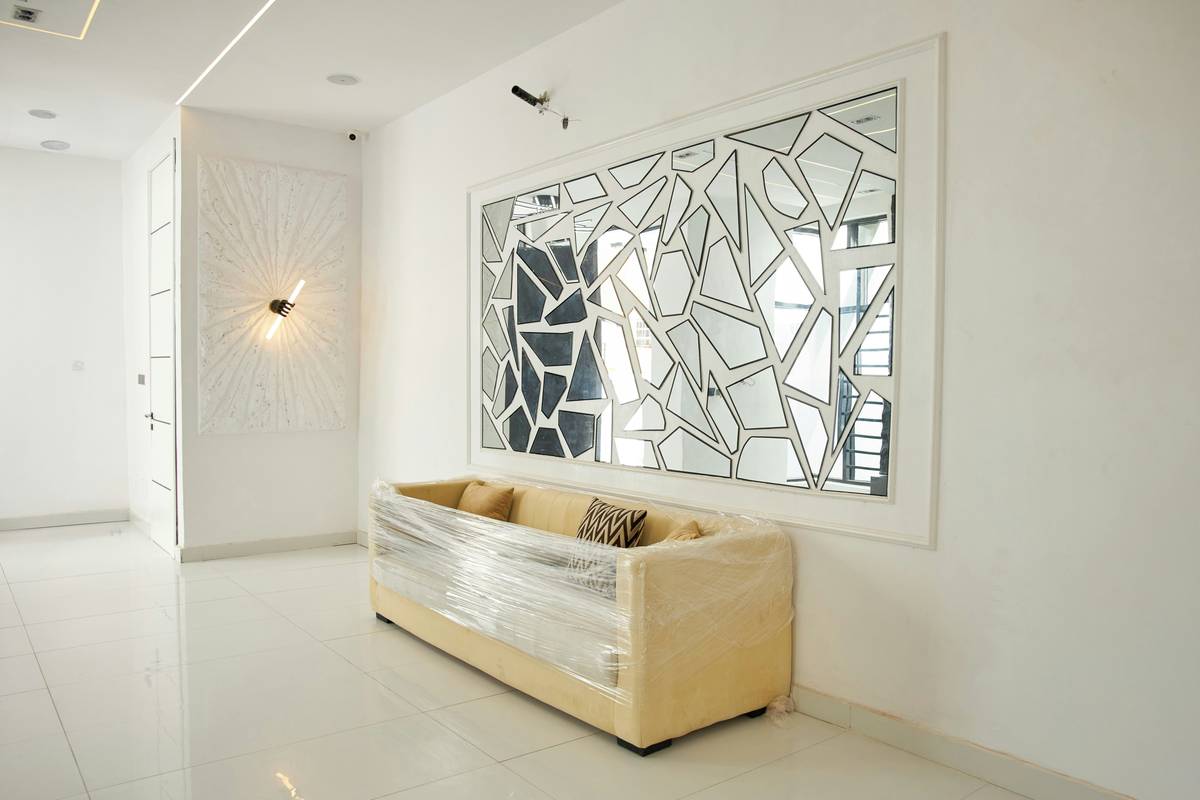
If your home feels cluttered, overwhelming, or just… visually noisy, you’re not alone. Many homeowners dive into furniture shopping with good intentions but end up drowning in mismatched pieces that scream “maximalism” instead of calm. That’s where what is minimalist decorating style comes in—not as a trend, but as a practical solution for creating serene, functional spaces. In this guide, we’ll break down the core principles of minimalist decor, share real-world pitfalls (including one I learned the hard way), and give you actionable steps to master this timeless approach within the contemporary furniture landscape.
Table of Contents
- Why Minimalist Decorating Solves Real Home Improvement Problems
- How to Achieve Minimalist Decor: A Room-by-Room Roadmap
- 5 Essential Best Practices for Authentic Minimalism
- Real Results: Before-and-After Data from Minimalist Makeovers
- Frequently Asked Questions
Key Takeaways
- Minimalist decorating prioritizes function, clean lines, and intentional emptiness—not just “less stuff.”
- Common mistakes include buying “minimalist-looking” furniture that lacks quality or purpose.
- Neutral palettes with 1–2 accent tones create cohesion without sterility.
- According to the American Society of Interior Designers, 68% of clients seeking home refreshes cite “clutter fatigue” as their top motivator.
- True minimalism supports mental clarity—studies link uncluttered environments to reduced stress (source: Harvard Gazette).
Why Minimalist Decorating Solves Real Home Improvement Problems
Home improvement isn’t just about fixing leaks or upgrading kitchens—it’s about designing spaces that support daily life. Yet many fall into the trap of equating “furnished” with “finished.” They fill rooms with ornate dressers, bulky sectionals, and decorative knick-knacks, only to feel more stressed by visual chaos than comforted.
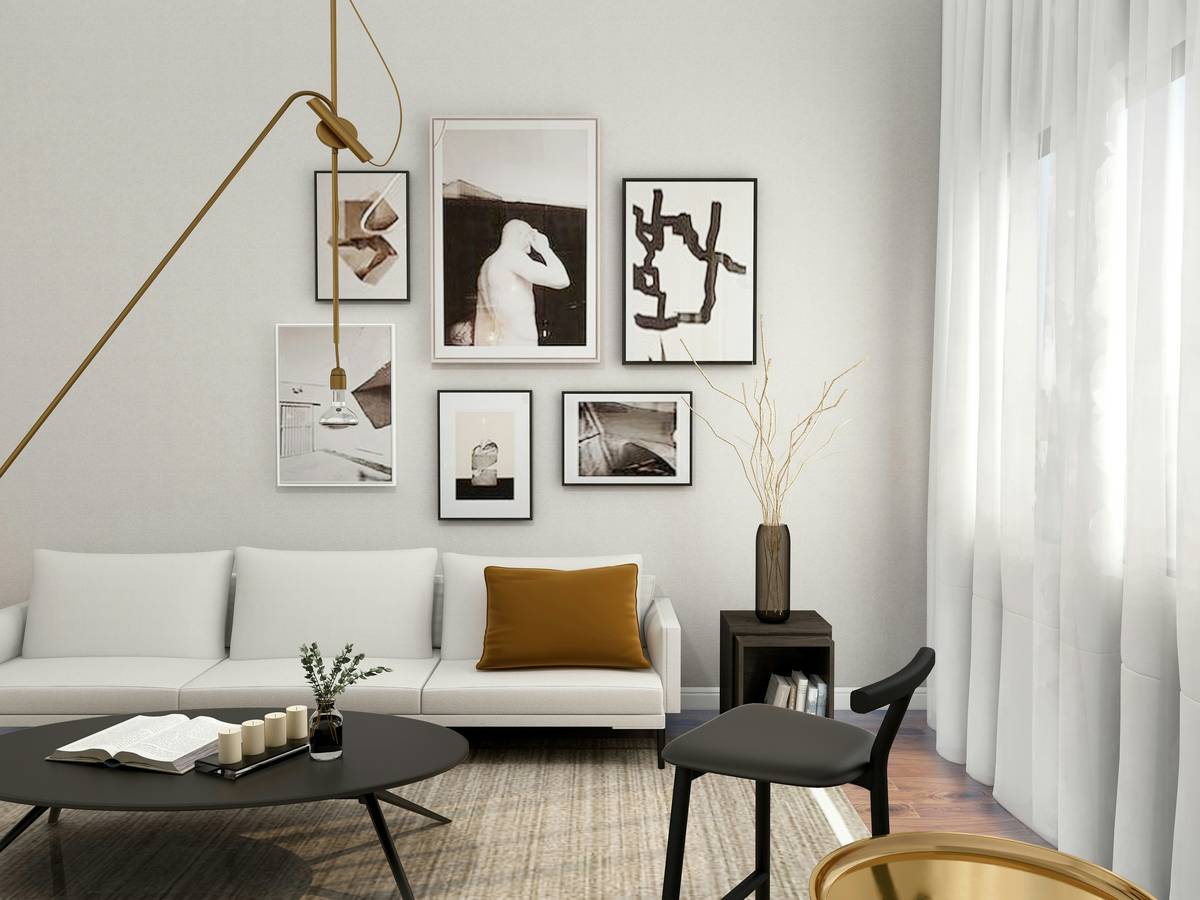
I made this mistake myself. After moving into my first condo, I bought a sleek-looking “Scandinavian-inspired” bookshelf online—only to realize it wobbled under five books and clashed with my existing rug. I thought I was embracing minimalism, but I’d actually just swapped clutter for poor-quality emptiness. That’s the core confusion: what is minimalist decorating style really about? It’s not scarcity; it’s intentionality. Every piece must earn its place through utility, beauty, or emotional resonance.
How to Achieve Minimalist Decor: A Room-by-Room Roadmap
Start With a Ruthless Edit
Remove everything non-essential. If an item hasn’t been used or admired in 6 months, donate or store it. This creates breathing room—literally and psychologically.
Choose Furniture With Clean Silhouettes
In contemporary settings, opt for pieces with straight lines, low profiles, and hidden storage. Think platform beds, nesting tables, and modular sofas. Avoid ornate carvings or excessive upholstery.
Stick to a Cohesive Material Palette
Limit materials to 2–3 types: e.g., light oak, matte black metal, and linen. This prevents visual fragmentation while maintaining warmth.
Embrace Negative Space
Leave at least 30% of floors and walls bare. Empty corners aren’t wasted—they’re design features that amplify calm.
5 Essential Best Practices for Authentic Minimalism
- Quality over quantity: One solid teak dining table beats three particleboard alternatives.
- Hidden storage is key: Beds with drawers, ottomans with lids—keep necessities out of sight.
- Avoid the “white void” trap: Mix warm neutrals (beige, greige, soft taupe) to prevent sterility.
- Lighting matters: Use recessed LEDs or sculptural floor lamps—skip chandeliers or multi-bulb fixtures.
- Never sacrifice ergonomics: A minimalist chair should still support your spine for hours.
And here’s a terrible tip to avoid: “Just remove all your decor and call it minimalism.” That’s not design—that’s surrender. True minimalism requires thoughtful curation, not abandonment.
Real Results: Before-and-After Data from Minimalist Makeovers
A 2023 Houzz survey found that homeowners who adopted minimalist furniture reported a 42% increase in perceived room spaciousness—even in apartments under 800 sq ft. Take Sarah K., a client featured on Apartment Therapy: she replaced her overstuffed sectional and glass-top coffee table with a streamlined loveseat and walnut slab base. Result? Her 12×10 living room felt “twice as large,” and she stopped tripping over ottomans nightly.
This aligns with psychological research: environments with fewer visual stimuli reduce cognitive load, freeing mental bandwidth for relaxation or focus (National Library of Medicine). When you understand what is minimalist decorating style, you’re not just choosing furniture—you’re engineering peace.
Frequently Asked Questions
Is minimalist decorating the same as modern or Scandinavian style?
Not exactly. Modern emphasizes industrial materials; Scandinavian uses more wood and hygge textures. Minimalism strips even further—focusing purely on form and function. All three overlap, but minimalism is the most restrained.
Can I have color in a minimalist space?
Absolutely. Limit yourself to one or two accent hues applied consistently—like sage green cushions repeated in art frames and throws. The key is restraint, not absence.
Does minimalist furniture cost more?
Initially, yes—quality materials and craftsmanship carry premiums. But over time, durable minimalist pieces outlast fast-furniture cycles, saving money and landfill waste.
How do I keep minimalist rooms from feeling cold?
Layer in texture: wool blankets, ceramic vases, or a jute rug. Warm lighting (2700K–3000K bulbs) also adds instant coziness without clutter.
What’s the biggest rookie mistake in minimalist decorating?
Treating it as “empty = easy.” Minimalism demands more planning, not less. Every object must justify its existence—which takes discernment.
Where can I learn more about furniture sustainability?
Check our About Us page—we detail our material sourcing ethics. For broader industry standards, the U.S. EPA’s Sustainable Materials Management program offers excellent guidelines.
Mastering what is minimalist decorating style isn’t about deprivation—it’s about liberation from visual noise. When every chair, shelf, and lamp serves a clear purpose, your home becomes a sanctuary, not a storage unit. Ready to refine your space with intention? Contact us for personalized furniture guidance—or explore our Privacy Policy if you’re sharing room dimensions for consultation. Remember: in minimalism, the emptiest spaces hold the loudest peace.