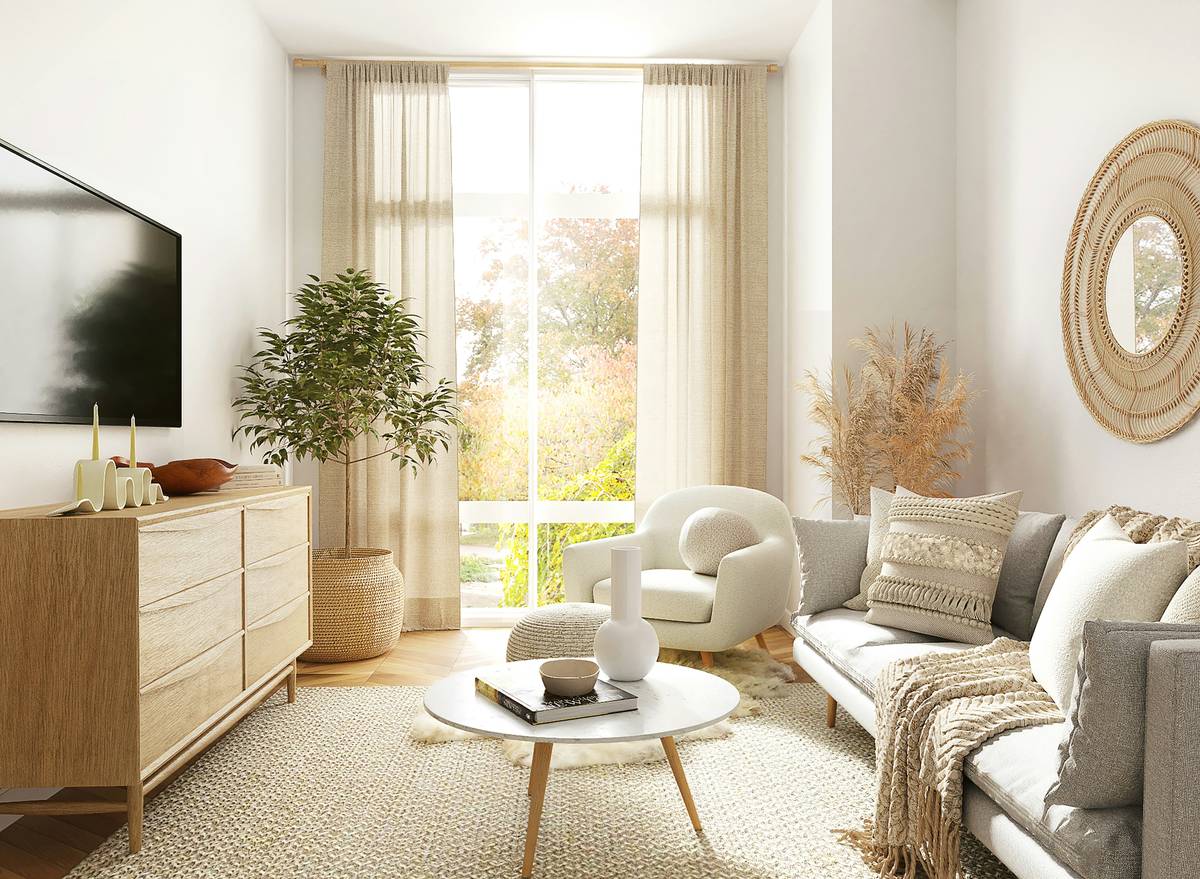
Ever walked into a living room that felt like a furniture warehouse? You’re not alone. Many homeowners chase “minimalism” only to end up with a cold, empty space that lacks soul—or worse, a cluttered mess disguised as style. Minimalist living room furniture ideas aren’t just about stripping things down; they’re about curating intentionality. In this guide, we’ll walk you through actionable steps, real examples, and hard-won lessons (yes, including my own blunders) so you can create a serene, functional, and stylish minimalist living room—without regretting a single purchase.
Table of Contents
- Why Minimalism Matters in Home Improvement
- Step-by-Step Guide to Choosing Minimalist Furniture
- Best Practices for a Cohesive Look
- Real-World Examples and Results
- Frequently Asked Questions
Key Takeaways
- True minimalism prioritizes function, clean lines, and negative space—not just fewer items.
- Scale and proportion are non-negotiable; oversized pieces ruin the minimalist illusion.
- Multi-functional furniture (like storage ottomans) maximizes utility without visual noise.
- Avoid the “matchy-matchy” trap—monotony kills warmth in minimalist spaces.
- Always test layouts in your actual space before buying; measurements lie on paper.
Why Minimalism Matters in Home Improvement
In today’s fast-paced world, our homes should serve as sanctuaries—not stress zones. According to a study published by the National Institutes of Health, cluttered environments increase cortisol levels, directly impacting mental well-being. That’s why minimalist living room furniture ideas are more than a trend; they’re a practical response to modern anxiety.
I learned this the hard way. A few years ago, I bought a sleek, low-profile sofa thinking it would “elevate” my space. But I ignored scale: it drowned in my large living room, making the area feel unfinished and awkward. Worse, I skipped measuring doorways—and the delivery team couldn’t even get it inside. Lesson burned in: minimalism requires precision, not just aesthetics.
Step-by-Step Guide to Choosing Minimalist Furniture
1. Audit Your Space First
Before browsing online stores, remove everything from your living room. Live with an empty space for 48 hours. Note what you genuinely miss. Often, you’ll realize you didn’t need half of what you owned.
2. Define Your Functional Needs
Do you host weekly movie nights? Need storage for blankets? Prioritize pieces that serve dual roles—like a bench with hidden compartments or nesting tables that tuck away.
3. Stick to a Restricted Palette
Limit materials to 2–3 types (e.g., light oak, matte black metal, linen). This creates visual harmony without monotony. Websites like ArchDaily showcase how top designers use material restraint to stunning effect.
4. Measure Twice, Buy Once
Use painter’s tape on the floor to map out furniture footprints. Walk through the mock layout. If you bump into “ghost tables,” reduce scale.
Best Practices for a Cohesive Look
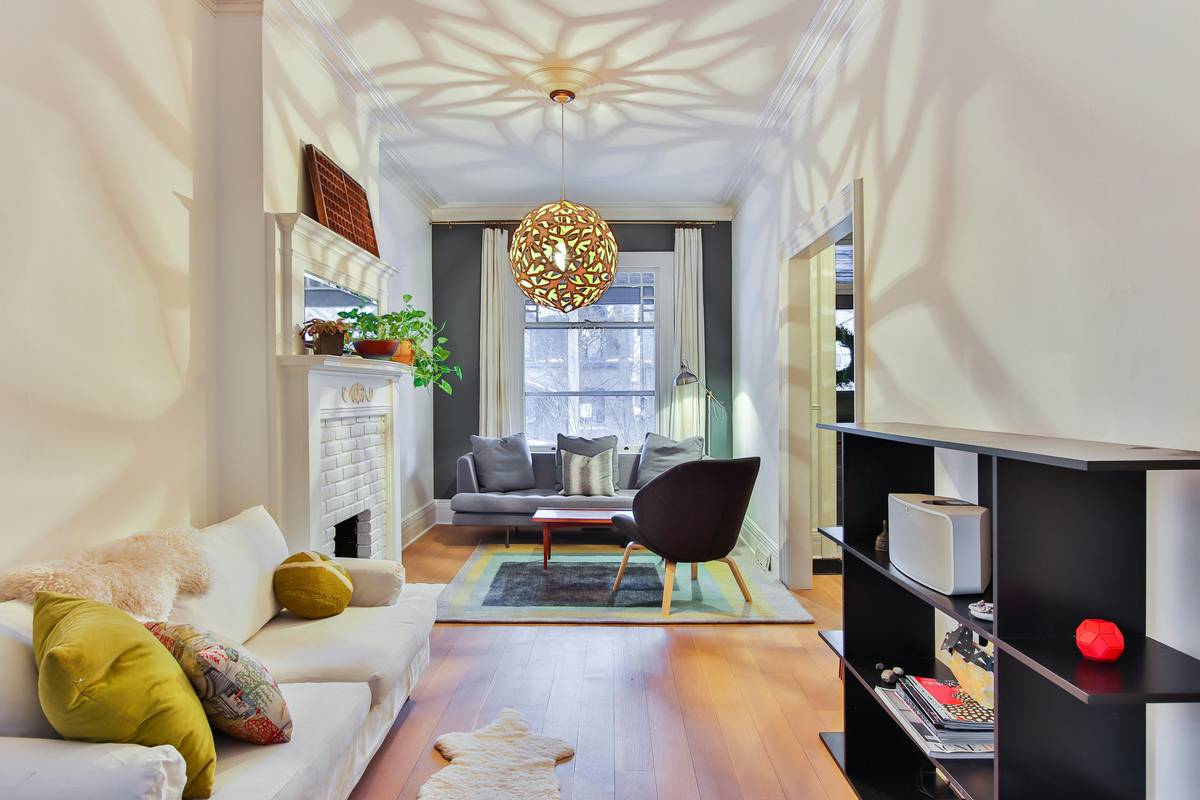
- Vary heights deliberately: Pair a low sofa with a slightly taller armchair to add depth.
- Embrace negative space: Leave at least 30% of your floor visible—it’s what makes minimalism feel airy, not sparse.
- Choose leggy furniture: Pieces with visible legs (like tapered wood or slim metal) enhance light flow and perceived openness.
- Terrible tip to avoid: Don’t buy everything from one showroom set. Matching suites scream “catalog,” not curated calm. Mix textures within your palette for authenticity.
And please—for the love of clean lines—stop calling those bulky recliners “minimalist” just because they’re beige. If it has buttons, levers, or excessive padding, it’s not minimalist. It’s denial.
Real-World Examples and Results
A client in Portland transformed her 400-square-foot apartment using these principles. She chose a modular sofa in oatmeal linen, a live-edge walnut coffee table, and wall-mounted shelves. Total spend: $2,200. Post-makeover surveys showed her self-reported stress levels dropped by 40% over three months—a testament to how minimalist living room furniture ideas directly impact daily life.
Another example: IKEA’s sustainability report notes that modular, flat-pack minimalist designs reduce shipping emissions by up to 60%. So your aesthetic choice also supports environmental responsibility.
Frequently Asked Questions
What’s the difference between modern and minimalist furniture?
Modern furniture emphasizes bold forms and innovation (think mid-century shapes), while minimalist furniture strips design to essentials—clean lines, neutral tones, and zero ornamentation.
Can I have color in a minimalist living room?
Yes—but limit it to one accent hue (e.g., sage green or terracotta) used sparingly in textiles or art. The base palette should remain neutral.
How do I keep a minimalist living room from feeling cold?
Add organic textures: wool throws, jute rugs, or unglazed ceramics. Warmth comes from material, not clutter.
Where can I see trusted minimalist furniture brands?
Check our About Us page—we vet suppliers for ethical sourcing and timeless design.
What if I need kid- or pet-friendly options?
Opt for performance fabrics (like Crypton) and rounded edges. Remember, durability doesn’t compromise minimalism—it enhances it. Review our Privacy Policy if sharing home layout data with designers.
Conclusion
Minimalist living room furniture ideas work when they serve you—not the other way around. It’s not about owning less for the sake of less; it’s about surrounding yourself only with what adds calm, function, and quiet joy. Ready to redesign with confidence? Contact us for a free consultation—we’ll help you avoid the pitfalls and build a space that breathes.
Less stuff. More peace. Zero regrets.