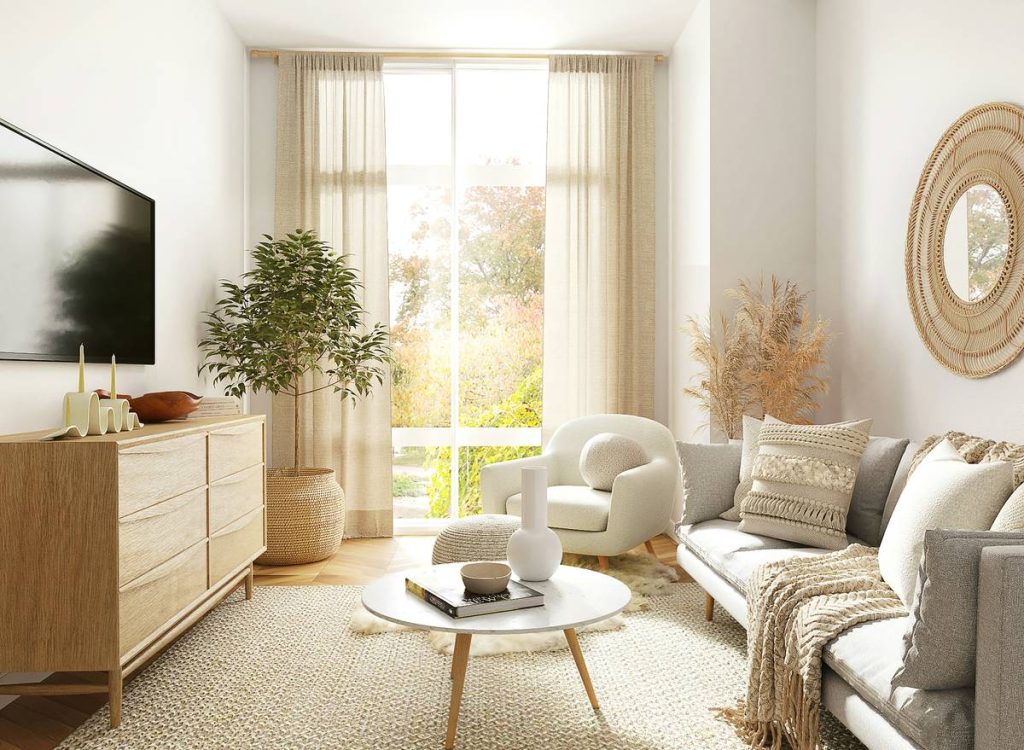
Ever walked into a room that felt calm, uncluttered, and effortlessly stylish—and wondered how it was done? Chances are, you were standing in a space furnished with minimalist furniture. But what is minimalist furniture, really? It’s not just “less stuff.” It’s intentional design rooted in function, clean lines, and purposeful absence. In today’s cluttered world, embracing minimalism at home isn’t just aesthetic—it’s therapeutic.
This guide cuts through the noise to give you a clear, actionable understanding of minimalist furniture—why it matters in home improvement, how to choose it wisely, and how to avoid rookie errors that turn serene spaces into sterile showrooms. We’ll cover everything from core principles to real-life examples, all backed by design expertise and hard-won personal lessons.
Table of Contents
- Why Minimalist Furniture Matters in Home Improvement
- How to Choose & Style Minimalist Furniture (Step by Step)
- 5 Best Practices for Authentic Minimalism
- Real-World Results: When Minimalism Works (and When It Doesn’t)
- Frequently Asked Questions
Key Takeaways
- Minimalist furniture prioritizes function, simplicity, and quality over ornamentation.
- Common mistakes include buying “empty” pieces that lack comfort or personality.
- True minimalism enhances livability—not just visual appeal.
- Neutral palettes dominate, but texture and proportion create depth.
- Avoid “minimalist traps” like mismatched scale or poor ergonomics.
Why Minimalist Furniture Matters in Home Improvement
In the realm of home improvement, furniture isn’t just decor—it shapes how we live, move, and feel in our spaces. Overcrowded rooms raise stress levels; studies link visual clutter to increased cortisol (according to UCLA’s Center on Everyday Lives of Families). That’s where minimalist furniture shines: it reduces cognitive load while elevating everyday function.
I learned this the hard way. Years ago, I bought a sleek, leggy coffee table labeled “Scandinavian minimalist.” It looked stunning online—but in my living room? Too narrow, too high, and impossible to rest your feet on. It screamed “designer,” but whispered “unusable.” That’s when I realized: minimalist furniture must serve life, not just Instagram.
How to Choose & Style Minimalist Furniture (Step by Step)
1. Define Your Function First
Ask: “What do I actually *do* in this room?” A minimalist dining table should seat your family comfortably—not just photograph well. Prioritize ergonomics and daily use over pure aesthetics.
2. Stick to Core Materials
Authentic minimalist furniture uses honest materials: solid wood, steel, glass, wool, or linen. Avoid plastic laminates masquerading as oak—they undermine durability and trust.
3. Master Proportion & Scale
A king-sized platform bed can overwhelm a small bedroom. Measure your space, then subtract 10%—that’s your max footprint. Minimalism thrives on breathing room.
4. Edit Ruthlessly
If a piece doesn’t serve function *or* bring quiet joy, skip it. Remember: minimalism isn’t deprivation—it’s curation.
5 Best Practices for Authentic Minimalism
- Use texture, not color, for depth. A bouclé chair or woven rug adds warmth without visual noise.
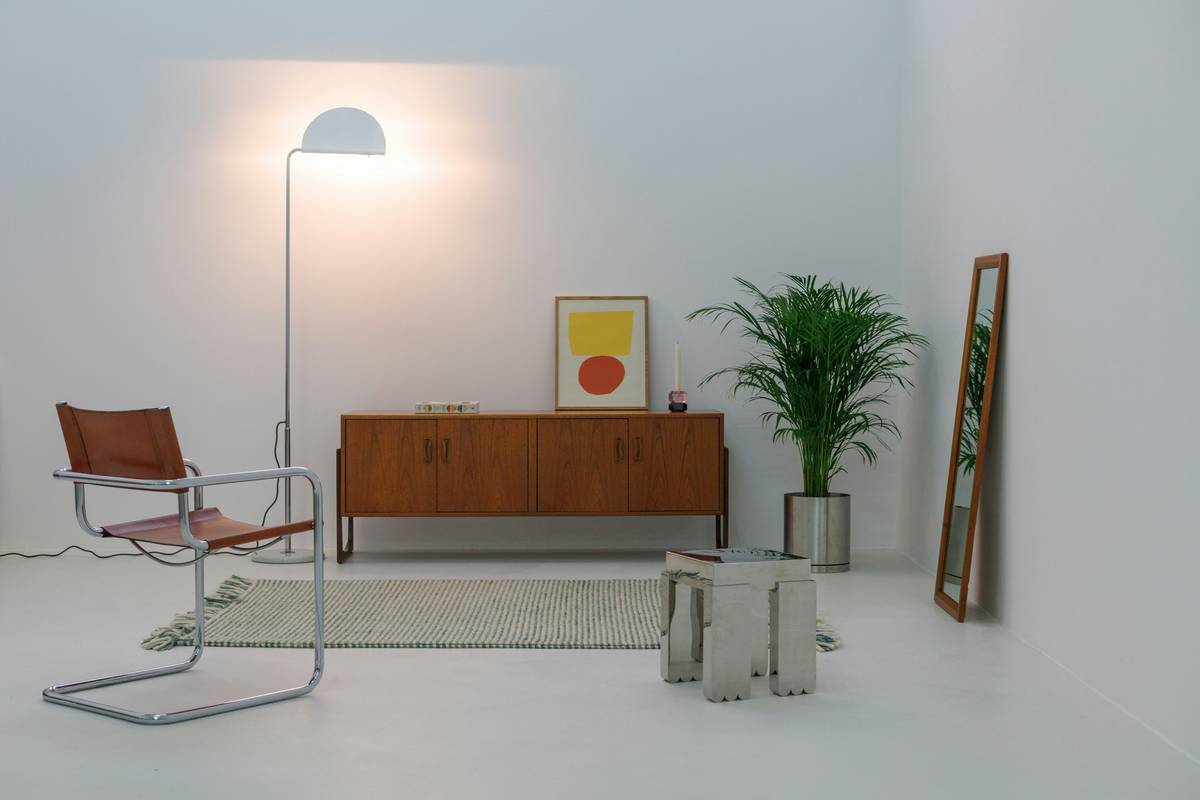
- Invest in one statement piece per room. Maybe it’s a sculptural floor lamp or an oak credenza—but keep others subdued.
- Avoid the “matchy-matchy” trap. Mixing light oak with matte black steel creates dynamic contrast within simplicity.
- Hide storage smartly. Built-in cabinets or ottomans with hidden compartments maintain clean sightlines.
- Never sacrifice comfort for looks. If your minimalist sofa feels like sitting on a bench, it’s failed its primary job.
Real-World Results: When Minimalism Works (and When It Doesn’t)
A 2023 interior design survey by the American Society of Interior Designers found that 68% of clients who adopted true minimalist furniture reported improved mood and focus at home—but only when pieces were chosen for usability, not trendiness.
Case in point: Sarah K., a teacher from Portland, replaced her overstuffed sectional with a low-profile modular sofa in charcoal wool, added a live-edge oak coffee table, and removed all decorative shelves. Result? Her studio apartment felt 30% larger, and she stopped tripping over footstools at 2 a.m.
Contrast that with Mark T., who bought five identical “minimalist” white plastic chairs for his dining area. They cracked within a year, squeaked when sat on, and offered zero back support. He admitted: “I confused cheap with minimal.”
At Simple Blankets, we believe great interiors start with pieces that respect both form and function—which is why we partner with artisans who build furniture meant to last decades, not seasons.
Frequently Asked Questions
What’s the difference between modern and minimalist furniture?
Modern furniture emphasizes innovation and new materials (think molded plastic or chrome), while minimalist furniture strips away all non-essentials—even if made from traditional wood. You can have modern minimalism, but not all modern is minimal.
Is minimalist furniture comfortable?
Yes—if designed well. Look for ergonomic curves, supportive cushions, and natural materials. Avoid pieces that prioritize sharp angles over human posture.
Can I mix minimalist furniture with other styles?
Absolutely. A minimalist bed pairs beautifully with a vintage rug or a single bold artwork. The key is restraint: let one style dominate while others accent.
Where can I see minimalist furniture in person?
Visit design museums like the Museum of Modern Art (MoMA) or reputable showrooms that specialize in Scandinavian or Japanese design traditions.
How do I clean and maintain minimalist furniture?
Dust weekly with a microfiber cloth. For wood, use oil-based cleaners sparingly. Always check care instructions—many minimalist pieces use unfinished or waxed surfaces that react poorly to harsh chemicals.
What’s a terrible tip about minimalist furniture?
“Just remove everything until it feels empty.” Wrong! Minimalism isn’t emptiness—it’s balance. A room should feel peaceful, not abandoned. If your guests ask, “Where do I put my drink?” you’ve gone too far.
Still unsure if minimalist furniture fits your lifestyle? We’ve helped thousands navigate this exact question. Reach out at our Contact Us page—we’re happy to guide you. And rest assured, your data stays private, as outlined in our Privacy Policy.
Remember: minimalism isn’t about owning less. It’s about making room for what truly matters—one thoughtfully chosen piece at a time.