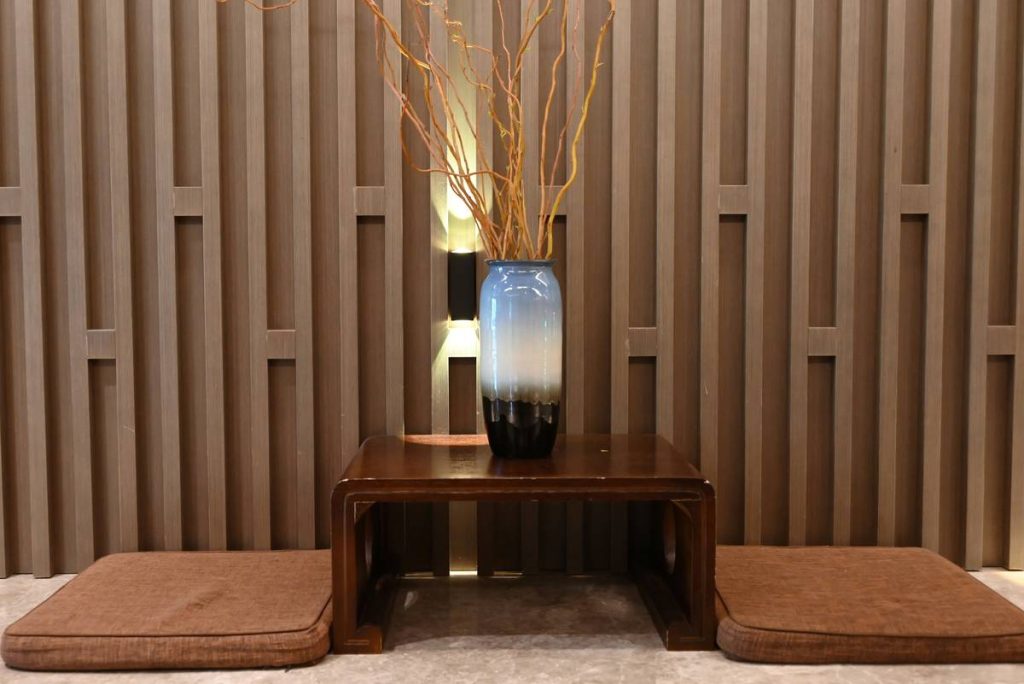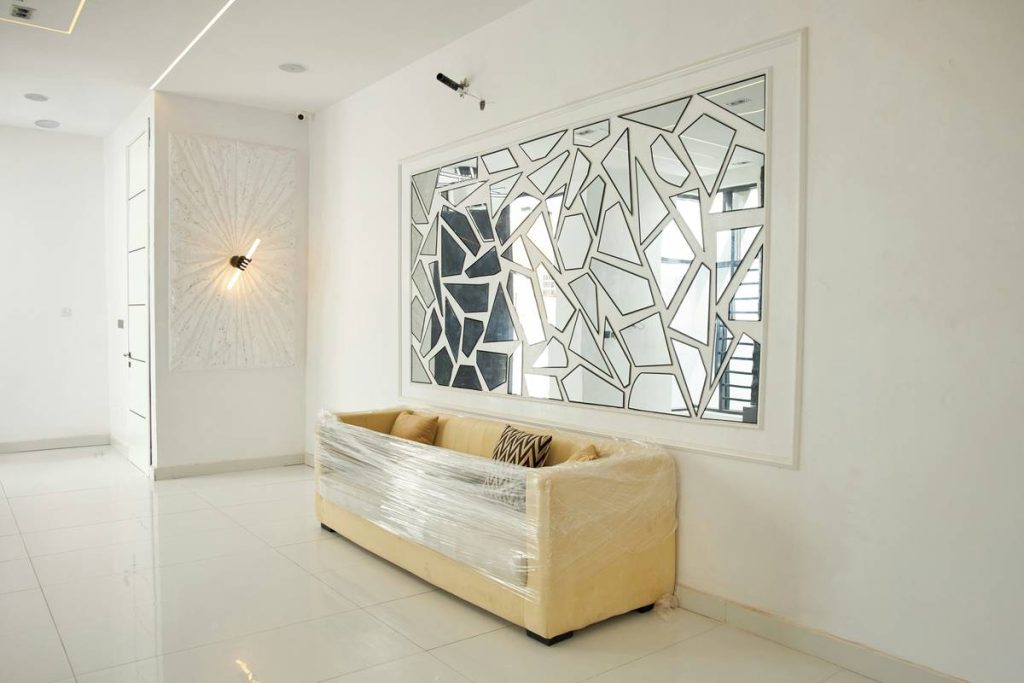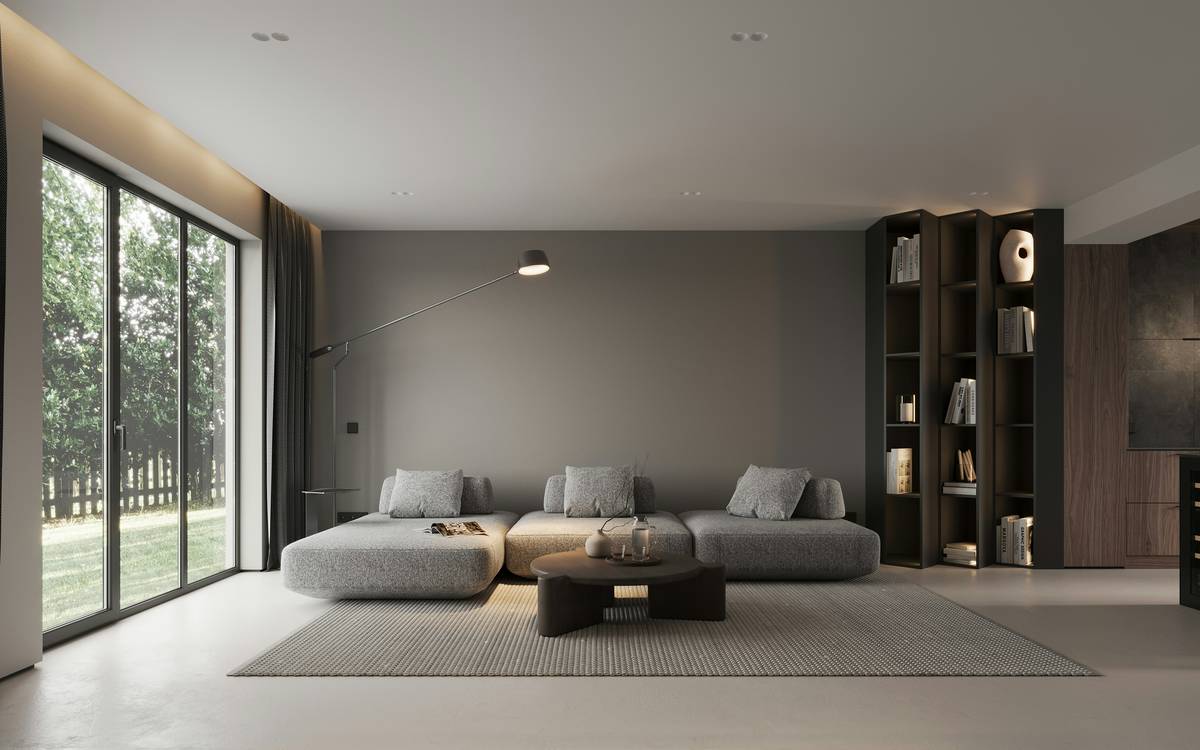
Ever walked into a room that felt instantly calm, uncluttered, and effortlessly stylish? Chances are, it was furnished with minimalist style furniture. But here’s the painful truth: many homeowners dive into minimalism thinking “less is easy”—only to end up with a space that feels cold, unfinished, or worse, like an empty showroom. I learned this the hard way after stripping my living room bare, buying a sleek gray sofa, and realizing six months later it looked more “abandoned apartment” than “Zen sanctuary.” If you’re serious about mastering minimalist design without sacrificing warmth or function, you’re in the right place.
Table of Contents
- Why Minimalist Furniture Matters in Home Improvement
- Step-by-Step Guide to Choosing & Styling Minimalist Pieces
- Best Practices for Long-Lasting Minimalist Appeal
- Real-World Examples That Work
- Frequently Asked Questions
Key Takeaways
- True minimalism balances simplicity with intentionality—not just empty space.
- Functionality must drive form; every piece should earn its place.
- Neutral palettes dominate, but texture and subtle contrast prevent sterility.
- Avoid the “matchy-matchy” trap—uniformity kills visual interest.
- Start small: one room, one statement piece, then expand thoughtfully.
Why Minimalist Furniture Matters in Home Improvement
In today’s clutter-heavy world, minimalist style furniture offers more than aesthetics—it delivers mental clarity. Studies show that organized, uncluttered environments reduce stress and boost focus (American Psychological Association). Yet, poorly executed minimalism can backfire, creating spaces that feel unwelcoming or impersonal.
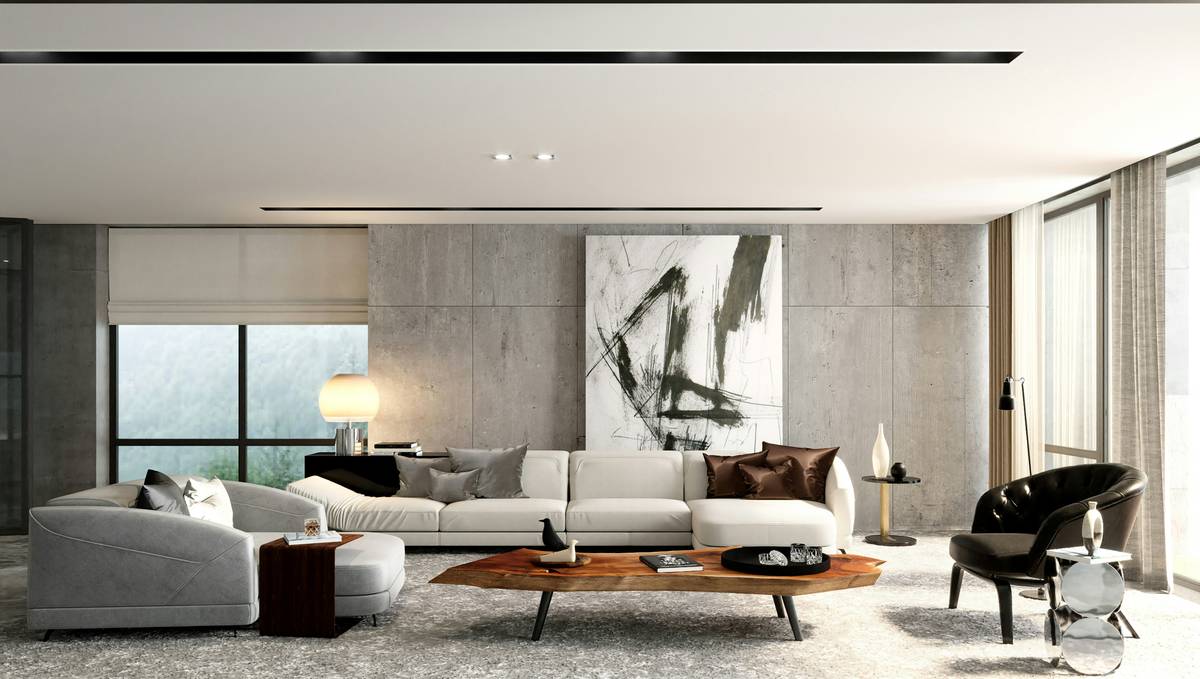
The key lies in understanding that minimalism isn’t about removing everything—it’s about curating what remains. In home improvement, this approach increases perceived space, enhances natural light flow, and simplifies cleaning routines. For urban dwellers or those in smaller homes, these benefits are transformative.
Step-by-Step Guide to Choosing & Styling Minimalist Pieces
1. Audit Your Space First
Before buying anything, remove all non-essential items. Live with the emptiness for 48 hours. What do you truly miss? That’s your starting point—not Pinterest mood boards.
2. Prioritize Multi-Functional Designs
Opt for pieces that serve dual purposes: a storage ottoman, a dining table with hidden compartments, or a sofa bed for guests. According to the U.S. Energy Information Administration, smaller homes (under 1,500 sq ft) now represent over 25% of new builds—making smart furniture essential.
3. Stick to a Tight Color Palette
Limit your base colors to three: typically white, beige, and one muted accent (like sage or warm gray). This prevents visual noise while allowing materials—wood grain, linen, brushed metal—to shine.
Best Practices for Long-Lasting Minimalist Appeal
- Avoid “flat” rooms: Mix matte and subtle sheen finishes (e.g., linen cushions on a leather sofa).
- Invest in quality over quantity: One solid walnut coffee table beats three particleboard ones.
- Add organic shapes: A curved side chair offsets angular walls beautifully.
- Never skip lighting layers: Recessed + task + ambient = depth without clutter.
- TERRIBLE TIP ALERT: Don’t buy everything from the same “minimalist” collection. Uniform sets scream catalog—not curation. Trust me, I tried it. My room looked like a hotel lobby nobody wanted to stay in.
Real-World Examples That Work
A 2023 survey by Houzz found that 68% of homeowners who adopted minimalist furniture reported higher satisfaction with their living spaces within six months. One standout case: a Brooklyn studio transformed using only four core pieces—platform bed, wall-mounted desk, modular shelving, and a compact dining nook. The result? A functional 450 sq ft that feels twice as large.
At Simple Blankets, we’ve seen clients pair our textured throws with clean-lined sofas to add coziness without compromising the aesthetic. It’s proof that minimalism thrives when layered thoughtfully—not stripped bare.
Frequently Asked Questions
Is minimalist style furniture expensive?
Not necessarily. While high-end designer pieces exist, brands like IKEA and Article offer affordable options. Focus on longevity: spending $500 on a durable solid wood table beats replacing $150 particleboard versions yearly.
Can I mix minimalist furniture with other styles?
Absolutely. Minimalism pairs well with Scandinavian (shared love of function) or Japanese (wabi-sabi imperfection). Just keep the 80/20 rule: 80% minimalist base, 20% accent style.
How do I keep minimalist rooms from feeling cold?
Introduce texture through rugs, blankets, and wood grains. Soft ambient lighting also adds warmth. Remember: minimal ≠ monochrome.
What’s the biggest mistake people make with minimalist furniture?
Over-editing. Removing so much that the space lacks personality or comfort. Your home should still feel lived-in—just intentionally so.
Does minimalist furniture work in homes with kids or pets?
Yes—if you choose durable, easy-to-clean materials like performance fabric or sealed hardwood. Avoid delicate finishes, but don’t sacrifice style entirely.
Where can I see real minimalist furniture setups?
Browse curated galleries on Architectural Digest or visit local showrooms. Also, check our Contact Us page—we’d love to help you visualize your space!
Minimalist style furniture isn’t about owning less—it’s about loving what you own more. Done right, it creates breathing room for both your home and your mind. Ready to start your journey? Reach out to us—we’ll help you avoid the pitfalls and find pieces that reflect your life, not just a trend. And remember: a blank canvas isn’t empty; it’s full of possibility.