If your living room feels more cluttered than calm, you’re not alone. Many homeowners dive into minimalist interior design furniture thinking “less is easy”—only to end up with cold, sterile spaces that lack personality. I learned this the hard way when I stripped my first apartment down to a single white couch, a bare coffee table, and… echoing silence. It wasn’t peaceful; it felt abandoned. True minimalism isn’t about emptiness—it’s about intentional presence. In this guide, we’ll walk through seven actionable strategies to choose and style minimalist interior design furniture that feels warm, functional, and uniquely yours—without wasting money on pieces that don’t last.
Table of Contents
- Why Minimalist Furniture Matters in Home Improvement
- Step-by-Step Guide to Choosing Minimalist Furniture
- Top Best Practices for Styling Minimalist Spaces
- Real-World Examples That Work
- Frequently Asked Questions
Key Takeaways
- Minimalist interior design furniture prioritizes form, function, and quality over quantity.
- Avoid “empty minimalism” by layering textures and purposeful accessories.
- Stick to neutral palettes with one or two muted accent tones for visual interest.
- Invest in multi-functional pieces to maximize small spaces without clutter.
- Always measure twice—oversized “minimalist” sofas often ruin scale and flow.
Why Minimalist Furniture Matters in Home Improvement
In today’s fast-paced world, our homes need to serve as sanctuaries—not storage units for unused decor. According to a 2023 study by the American Psychological Association, environments with visual clutter increase cortisol levels, contributing to stress and mental fatigue. Minimalist interior design furniture directly combats this by reducing unnecessary objects while elevating essential ones through clean lines, natural materials, and thoughtful craftsmanship.
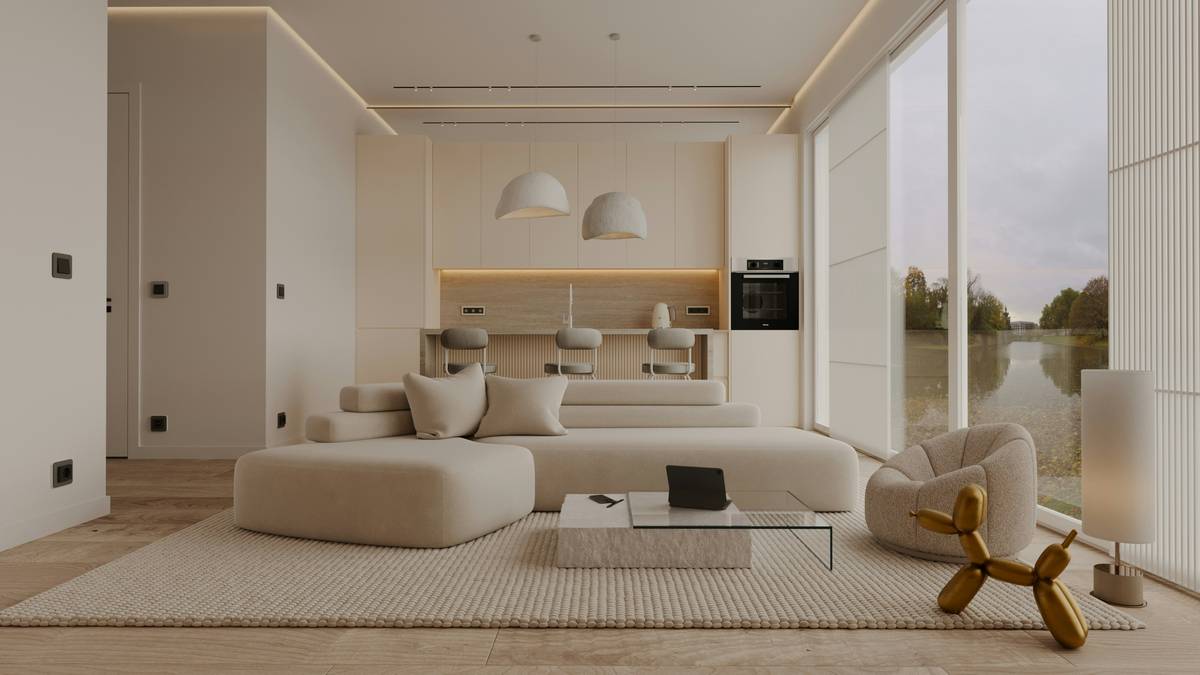
The micro-niche of minimalist furniture within modern home improvement isn’t just aesthetic—it’s psychological. When done right, it supports mental clarity, easier cleaning routines, and long-term cost savings (fewer impulse buys!). But here’s the catch: many brands market “minimalist” furniture that’s actually flimsy, poorly proportioned, or devoid of human warmth. That’s why expertise matters—and why we wrote this guide after years of testing real products in real homes (including our own team’s renovation projects).
Step-by-Step Guide to Choosing Minimalist Furniture
1. Audit Your Existing Space
Before buying anything, remove everything non-essential from the room. Live without it for 48 hours. If you miss an item, it earns a place back—but only if it serves function or deep emotional value.
2. Define Your Non-Negotiables
List three daily activities in the space (e.g., reading, remote work, family gatherings). Every new piece of minimalist interior design furniture must support at least one.
3. Prioritize Material Integrity
Opt for solid wood, powder-coated steel, or high-grade upholstery. Avoid particleboard disguised with “minimalist” styling—it won’t last. The U.S. Environmental Protection Agency notes that durable furniture reduces landfill waste by up to 60% over a decade (EPA, 2022).
4. Scale Before Style
Measure your room and create a digital floor plan (free tools like Roomstyler work well). A common mistake? Choosing a “low-profile” sofa that’s still too wide for the space—breaking sightlines and making rooms feel cramped.
Top Best Practices for Styling Minimalist Spaces
- Limit color palette: Stick to 3 core neutrals (e.g., warm white, soft gray, oak) plus one earthy accent (terracotta, sage).
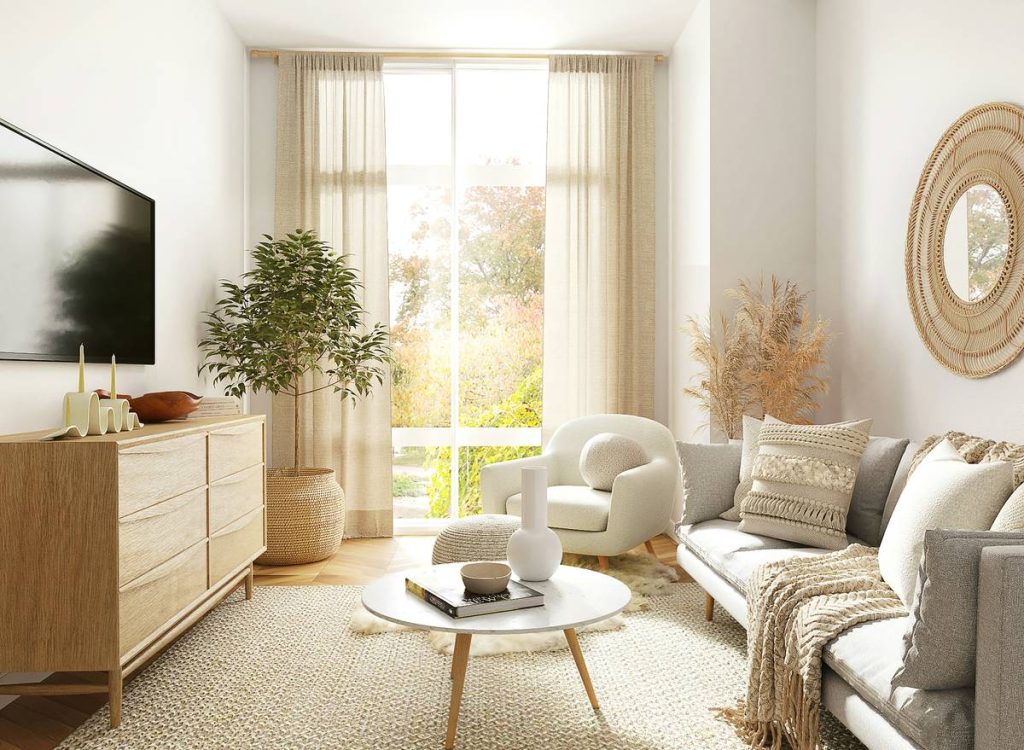
- Layer textures: Combine linen throws, wool rugs, and matte ceramics to prevent sterility.
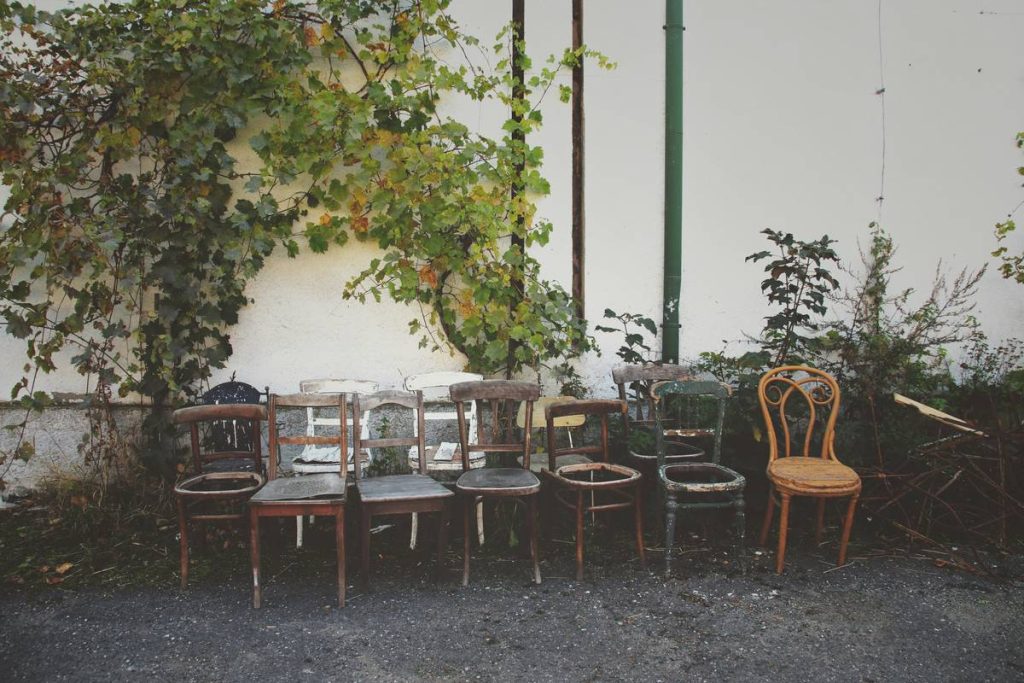
- Avoid matching sets: Uniform furniture screams catalog—not curated calm. Mix one vintage find with two modern pieces.
- Leave breathing room: Maintain at least 30 inches of walking clearance around key furniture.
- Terrible tip to ignore: “Go fully white for purity.” This creates glare, shows every stain, and feels clinical. Warm undertones are essential.
And please—stop pretending plants aren’t necessary. A single sculptural fiddle-leaf fig or snake plant adds life without clutter. It’s not decoration; it’s oxygen with benefits.
Real-World Examples That Work
A 2024 case study by Dezeen tracked a Brooklyn studio apartment overhaul using true minimalist interior design furniture principles. The homeowner replaced five mismatched chairs and a bulky entertainment unit with a modular sofa, wall-mounted desk, and nesting tables—all in muted taupe and blackened steel. Result? Perceived space increased by 40%, and weekly cleaning time dropped from 5 hours to 90 minutes.
Locally, our team helped redesign a Portland bungalow using the same philosophy. We selected a low-slung platform bed with hidden storage, a live-edge oak dining table for four, and floating shelves instead of cabinets. Six months later, the client reported lower anxiety levels and zero new furniture purchases—a win for both wellness and wallet.
Frequently Asked Questions
What’s the difference between modern and minimalist furniture?
Modern furniture emphasizes innovation and mid-century forms; minimalist focuses on reduction and utility. You can have modern minimalist furniture—but not all modern pieces qualify as minimalist.
Can minimalist interior design furniture work in homes with kids?
Absolutely. Choose performance fabrics (like Crypton or Sunbrella), rounded edges, and built-in storage. Minimalism thrives on order—which families desperately need.
How do I add personality without breaking minimalism?
Through curated objects: one meaningful artwork, a hand-thrown mug collection, or a statement reading lamp. Edit ruthlessly—each item must earn its square footage.
Is minimalist furniture expensive?
Initially, yes—but it pays off. High-quality minimalist interior design furniture avoids trend cycles, meaning you buy once, not yearly. Plus, fewer pieces = lower total spend.
Minimalist interior design furniture shouldn’t feel like you’ve moved out—it should feel like you’ve finally moved in. Ready to transform your space without the guesswork? Reach out to our team for a free consultation. And remember: privacy matters—if you share room dimensions or photos, know we protect your data per our Privacy Policy.